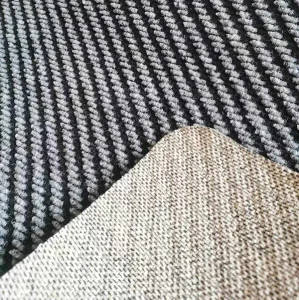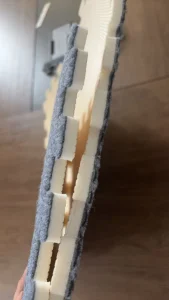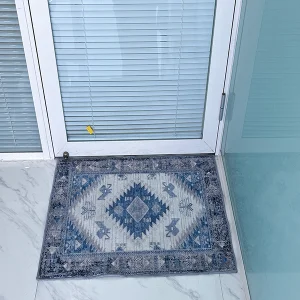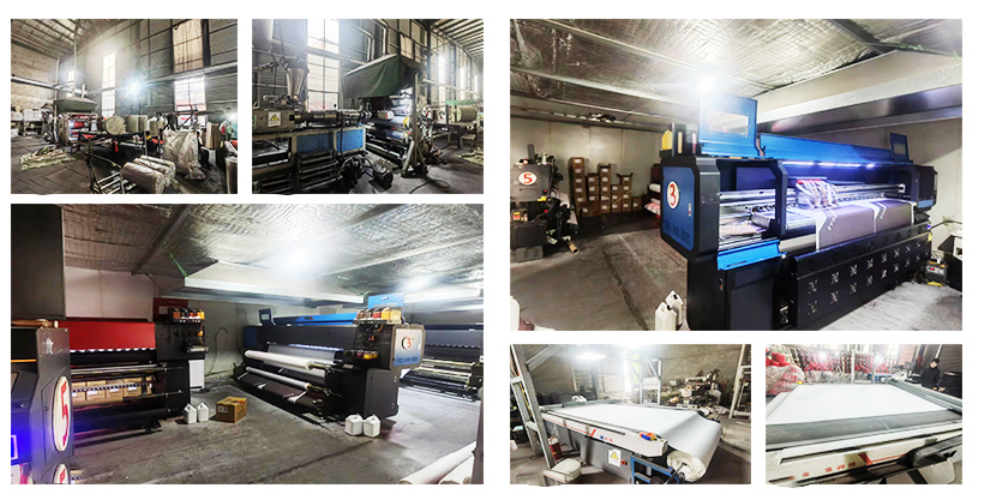
Welcome to Linyi Yameiju Artificial Turf Co., Ltd. (commonly referred to as Yameiju Turf). We are honored to serve as an industry-leading manufacturer that develops, produces, and exports high-performance artificial turf, commercial entry mats, and domestic carpet systems globally. As a specialized engineering and design enterprise, we focus on delivering top-tier safety, wear-resistant capabilities, and architectural elegance for our clients.
Strategically located in Linyi City, the undisputed logistics capital of China, Yameiju Lawn takes full advantage of an advanced multimodal logistics network, situated in the thriving Luozhuang District, Shandong Province. By combining state-of-the-art material sciences with high-volume industrial capacity, we employ more than 50 highly skilled engineering and operations professionals to guarantee absolute consistency and precision.
Contact Sourcing SpecialistsHow our intelligent manufacturing footprint ensures reliable lead times, high quality, and optimal pricing for global commercial customers.
Utilizing computer-controlled twin-screw extruders, we ensure consistent density and polymer distribution. This guarantees that every batch of Polypropylene and PE fiber matches physical specifications, maintaining color stability and high tensile strength.
Unlike conventional low-grade PVC that cracks in cold weather, our TPR and engineered PVC matrices preserve flexural elasticity, resist oil corrosion, and maintain high coefficient of friction (CoF) values on polished wood, stone, or tile floors.
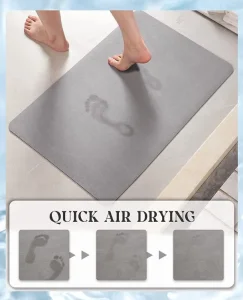
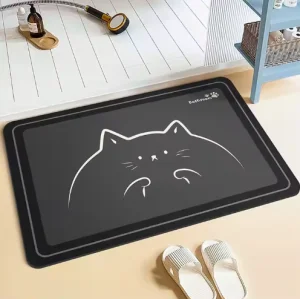
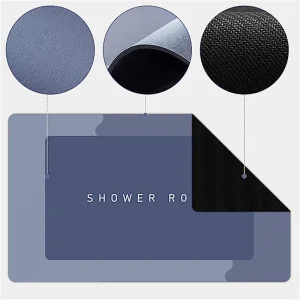
Our supply lines leverage natural, high-porosity diatomaceous earth. By controlling calcination and milling operations internally, we produce diatom mud mats that achieve ultra-fast moisture evaporation without synthetic binders or toxic odors.
To meet the global demand for circular economy solutions, Yameiju is engineering recycled polymer backings sourced from consumer plastics and organic by-products. Our R&D team is testing biodegradable backing formulas that perform effectively in high-traffic zones while significantly reducing carbon output. This ensures our mat and carpet lines help international buyers meet strict ESG (Environmental, Social, and Governance) targets.
In addition to polymer evolution, our fiber development relies on solution-dyed yarns that require minimal water consumption during manufacturing. This process locks in color fastness against harsh commercial solvents, industrial sanitizers, and high UV radiation, keeping the mat's appearance intact for years.
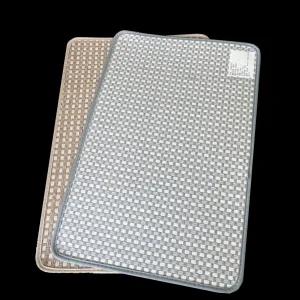
Diatomaceous earth is valued for its quick drying speeds. Our manufacturing process optimizes this through controlled calcining, which maintains the natural microscopic structure of the silica-based fossil dust. These micro-pores pull moisture from the surface instantly using high capillary pressure.
By mixing these natural mineral powders with organic binders, we construct a flexible, non-brittle substrate. These mats dry quickly and resist mold growth, providing a reliable safety and hygiene solution for wet commercial environments, hotels, and bath areas.
Building high-performance sports environments requires precise engineering across multiple stages. A standard turf system relies heavily on site selection and infrastructure planning. A football field should ideally be constructed in areas with adequate sunlight, fresh air, elevated terrain, and engineered drainage gradients (usually 0.4% to 0.6% slope).
The foundation typically uses cement, asphalt, or cement-stone powder soil to establish a stable sub-base. The surface must be uniform, solid, and free from cracks or structural gaps. Our technical team guides project managers through these phases, advising on optimal compaction densities and gradient designs. This attention to detail prevents water accumulation and ensures consistent ball bounce performance.
An artificial turf field generally lasts 8 to 10 years, depending on usage frequency and local UV exposure. Over time, fiber degradation and infill compaction (silica sand and rubber crumbs) can reduce performance. Yameiju Turf provides comprehensive replacement solutions, including cost-effective fiber extraction, base remediation, and installation of durable, high-density PE turf modules.
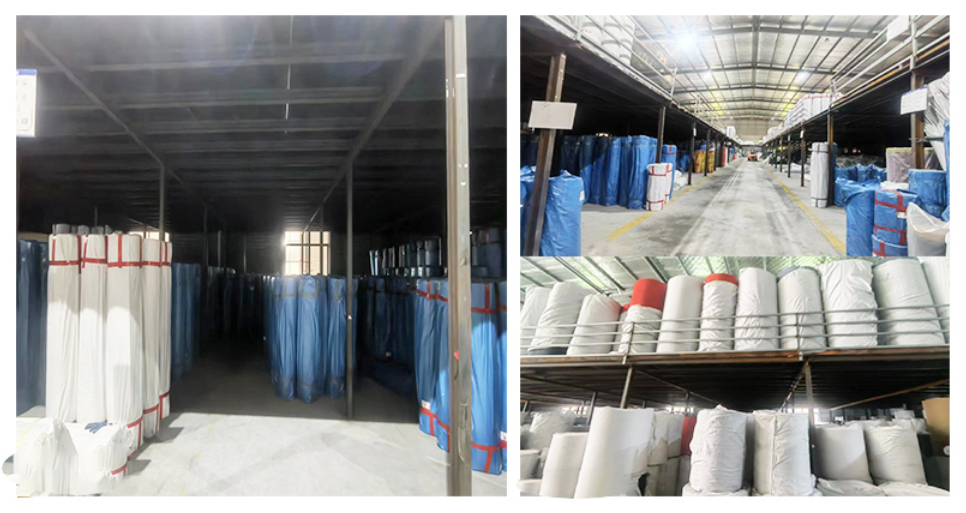
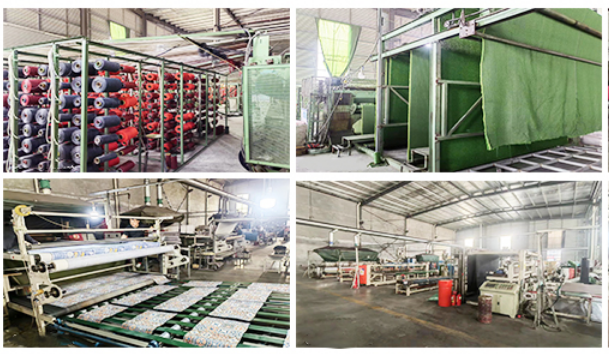
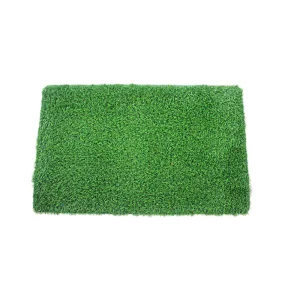
Traditional artificial turf designs often focus strictly on mimicking field grass. Yameiju is changing this by merging the soft texture of indoor carpeting with the durability of outdoor turf, creating our innovative Carpet-Style Artificial Turf.
This hybrid design uses low-profile, high-density polyethylene tufts stitched onto a highly flexible, water-permeable backing. This creates a soft, grass-like texture that remains durable enough to handle high foot traffic and changing outdoor weather.
It is ideal for modern rooftop gardens, outdoor cafes, corporate courtyards, and creative interior spaces. Designers can now enjoy the appearance of natural greenery along with the straightforward cleaning, dust control, and low maintenance of a high-performance commercial rug.
Heavy foot traffic in office towers, retail centers, and transport terminals requires durable, high-performance entrance mats. Soil and moisture tracked in by pedestrians can wear down interior flooring and create slip hazards.
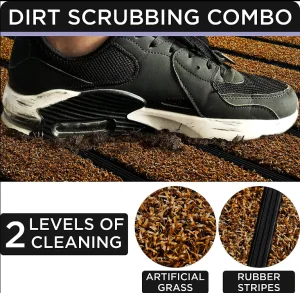
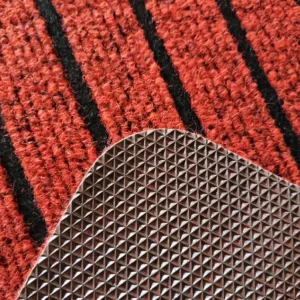
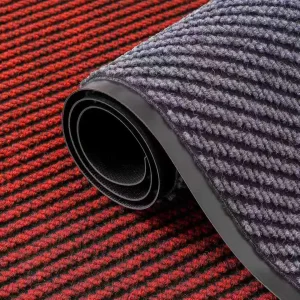
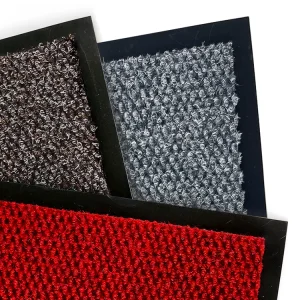
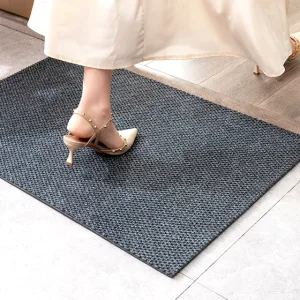
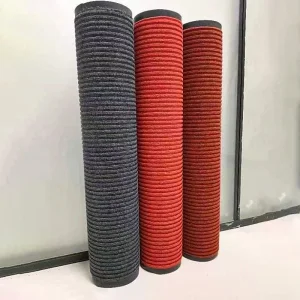
Yameiju's double-ribbed entrance runners and hobnail mats use stiff coarse fibers that scrape away grit, while soft capillary fibers absorb moisture. Our heavy-duty PVC and TPR backings prevent the mats from sliding, keeping them securely in place in busy entryways.
Employees who stand for long periods on production floors, behind assembly lines, or in commercial kitchens face physical strain that can impact focus and safety.
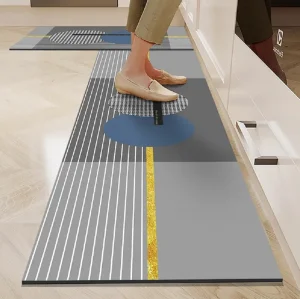
Our customized PVC foam and multi-layer kitchen mats provide elastic cushioning that reduces stress on joints and lower limbs. Their grease-resistant, waterproof surfaces are easy to wash and sterilize, making them well-suited for busy foodservice and industrial workspaces.
Linyi Yameiju ensures compliance with international trade and safety regulations, including REACH, RoHS, and OEKO-TEX standards. We keep hazardous chemicals and heavy metals out of our manufacturing processes, ensuring our mats are safe for public buildings and residential homes alike. With Linyi's established shipping networks, we optimize freight logistics, handle export customs documentation, and provide reliable delivery times to commercial buyers across the Americas, Europe, and the Asia-Pacific region.
 Yameiju