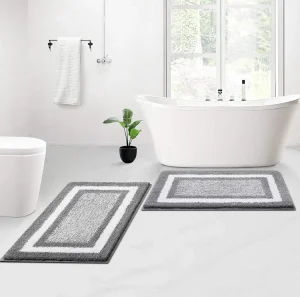
In modern architectural planning and commercial facility management, the entryway mat is no longer regarded as a minor decor accessory. Instead, it is analyzed as a critical component of building envelope moisture control, interior air quality conservation, and slip-hazard liability mitigation. According to global health and safety reports, over 80% of all dust, dirt, and moisture enters a commercial property on the soles of visitors' footwear. Managing this particulate ingress at the structural threshold prevents degradation of interior floor finishes, reduces indoor allergen distribution, and curates a safe path of travel.
Layered doormats represent a material science breakthrough. Unlike standard single-matrix rugs that saturate quickly and lack structural stiffness, layered mats leverage composite designs. By stacking specialized scrapers, absorbent cores, and non-slip backing surfaces, these assemblies manage moisture and dirt sequentially. China, led by advanced industrial clusters in Shandong Province, has emerged as the premier global manufacturer of these high-performance systems, serving architectural project requirements across the EU, North America, and Asia-Pacific.
Download Engineering Catalogue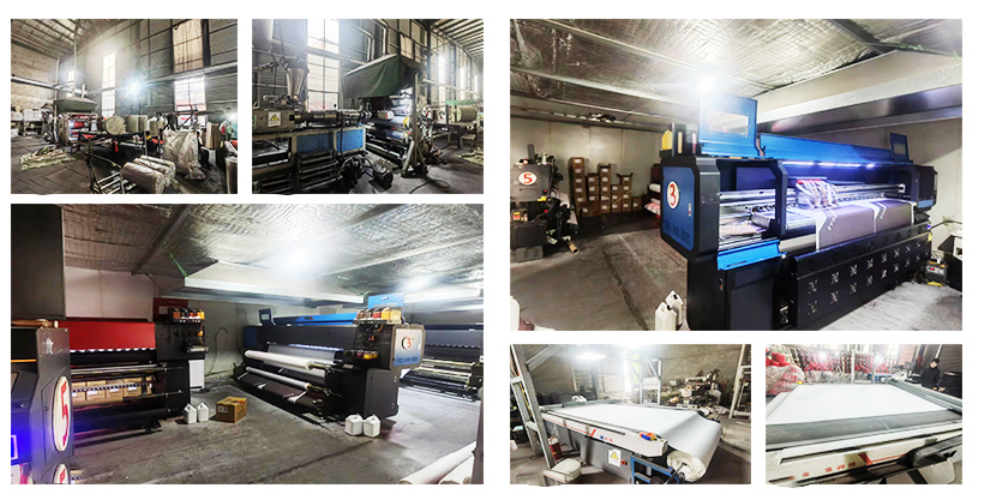
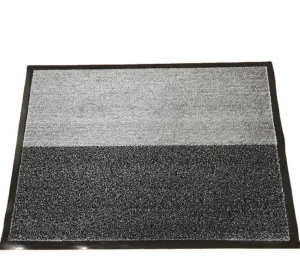
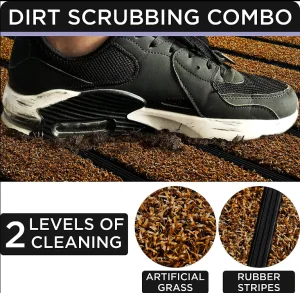
The top layer uses heavy-denier polypropylene fibers or PVC elastic mesh loops. These fibers scrub particulate matter, sand, and grit from footwear soles, storing the debris out of sight below the walking surface to prevent tracking.
Intermediate layers utilize ultra-porous diatomaceous earth compound matrices or loop-tufted microfiber. This design draws moisture away from the surface via capillary action, speeding up evaporation and preventing microbial growth.
The foundation features heavy-duty Thermoplastic Rubber (TPR) or vulcanized nitrile rubber. Formulated with dynamic friction patterns, this layer prevents mat movement on concrete, hardwood, or tile floors under high foot traffic.
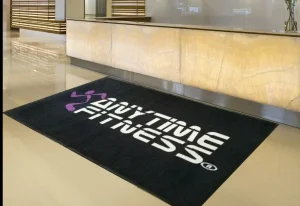
We offer full-service customization, including custom sizes, colors, pile densities, embossing, and logo print runs. We match the exact dimensions and branding profiles needed for commercial properties and distributor networks.
Our R&D team prioritizes sustainability by developing mats from natural flax, recycled polyester, and low-VOC rubber blends. This focus helps developers secure green building certifications like LEED and BREEAM.
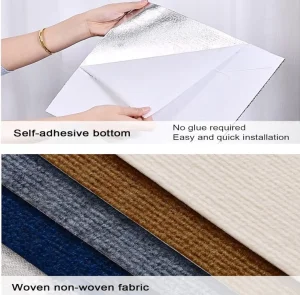
Constructed with lock-tuft fibers and vulcanized edges, our mats resist fiber shedding, edge curling, and UV fading. This makes them ideal for demanding settings, including schools, hotels, and retail stores.
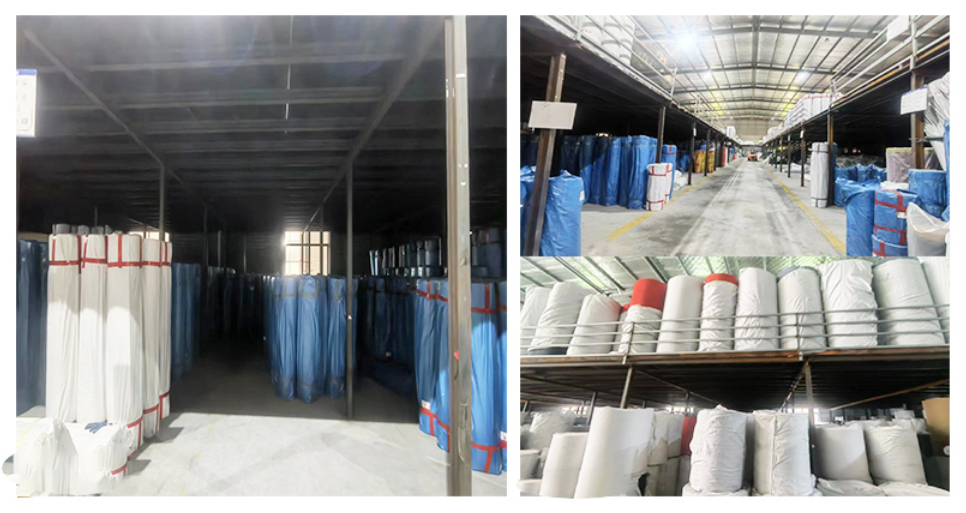
Yameiju Turf operates in Linyi, Shandong, which is recognized as the logistics capital of China. This location gives our company distinct supply chain and logistical advantages:
By managing our manufacturing internally, Yameiju handles everything from basic raw compounds to final, packaged mats. This end-to-end oversight ensures consistent quality and pricing across all orders.
In cold climates, snow melt and road salt can damage interior floors. Our deep-ribbed polypropylene mats scrape mud and absorb moisture, while our thick TPR backing resists cracking in sub-zero temperatures.
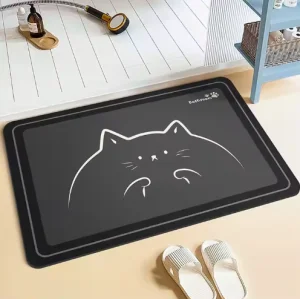
In high-humidity areas, keeping floors dry is critical to prevent slips and mildew. Our rapid-drying diatom mud mats draw water out of fabrics and footwear soles instantly, keeping entryways clean and odor-free.
In arid regions, windborne dust can quickly settle indoors. Our PVC elastic loop and mesh mats act as static dust traps. They catch fine dust particles and store them below the surface until the mat is vacuumed or washed.
Yameiju Lawn meets global regulatory and quality standards, making import clearances simple for distributors in key markets.
Our raw materials are tested for heavy metals, phthalates, and VOC emissions. This ensures our mats comply with REACH regulations in Europe and federal requirements in the United States.
For commercial projects, our mat systems are designed to meet standard flame retardancy levels (such as EN 13501-1 Class Bfl-s1 or ASTM E648 Class I). This performance makes them suitable for use in busy escape routes.
We design our backing patterns to provide a wet static coefficient of friction (COF) that exceeds ADA and OSHA safety guidelines. This engineering helps prevent mat slippage on polished surfaces.
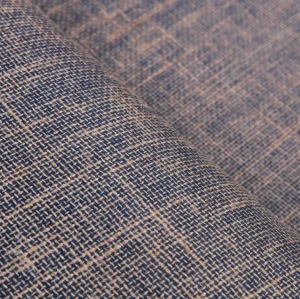
This design combines the structural strength of woven carpet with the UV resistance of artificial grass. It offers a fresh, low-maintenance landscaping alternative for rooftop plazas, patios, and municipal green areas.
Our R&D team works to optimize the performance lifecycle of sports turf systems. By matching selected infill materials with durable backing systems, we help operators design fields with long-term wear resistance.
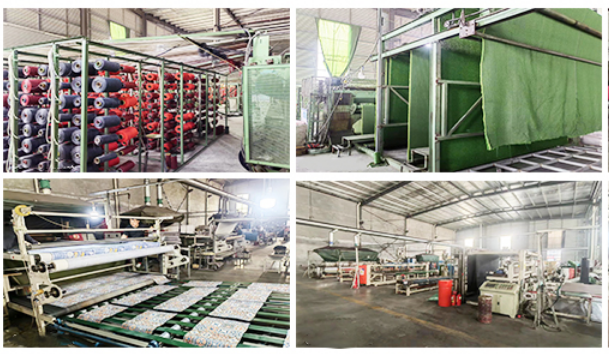
We continuously refine our high-speed tufting technology. By optimizing yarn tension and stitch density, we produce clean, durable turf and mat surfaces that retain their shape under heavy daily traffic.
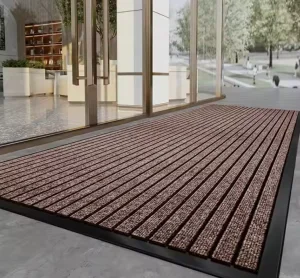
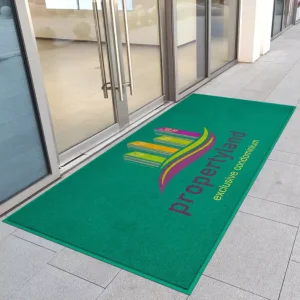
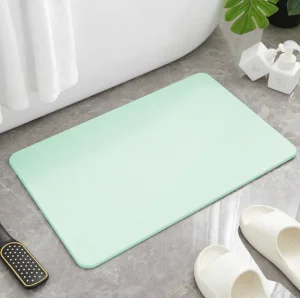
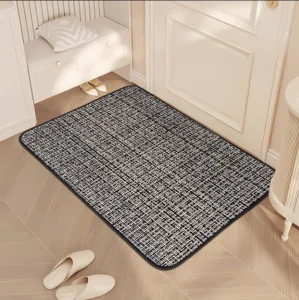
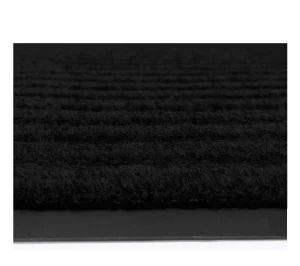
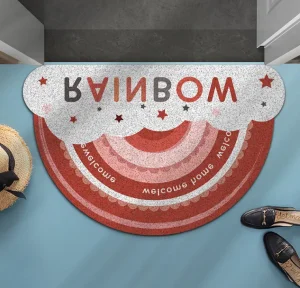
Single-layer mats dry slowly and saturate quickly because they try to scrape and absorb on a single plane. Layered mats partition these functions. The top layer uses coarse fibers for scraping, an absorbent middle layer pulls moisture down via capillary action, and the bottom rubber backing prevents slips and moisture bleed-through.
We run automated production lines across our 20,000 sqm facility. This capacity allows us to manufacture up to 10 million square meters of mats annually. We can customize mat dimensions, fiber deniers, colors, backing materials, and add embossed company branding to match client specifications.
TPR (Thermoplastic Rubber) offers excellent elasticity, slip resistance, and remains flexible in sub-zero climates without cracking. PVC is a cost-effective alternative that resists grease and oils. We supply both options to suit different architectural climates and project budgets.
Our products meet EU REACH and US RoHS standards, verifying they are free from toxic phthalates and heavy metal residues. We also supply eco-friendly options made with natural flax and recycled polyester fibers for green building projects.
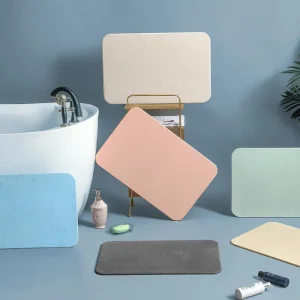
Diatom mud mats utilize porous diatomaceous earth, which acts like a micro-sponge. It draws moisture from feet instantly and allows it to evaporate quickly. This rapid drying cycle helps prevent mold, mildew, and odors in wet bathroom environments.
Linyi is East China's logistics capital. It features direct road and rail connections to ocean ports like Qingdao and Lianyungang. This logistical hub system helps us secure lower local freight rates and maintain predictable shipping timelines for international orders.
Ready to optimize your product line or commercial project? Contact the engineering and sales team at Yameiju Turf. We provide material specifications, volume pricing lists, and custom OEM design support.
 Yameiju