Choosing the right Grass Carpet supplier is not simply a price comparison. Global buyers must examine material quality, manufacturing consistency, delivery capability, and after-sales support. A product may look vivid in online photographs, yet feel thin, shed fibers, or drain poorly after installation. Small details matter. Backing strength matters. UV resistance matters.
Dr. Thomas A. Nikolai, a respected turfgrass specialist, notes, “The best turf is the turf that fits the site.” This principle applies to Grass Carpet buyers worldwide. Balcony surfaces need different drainage performance than hotel courtyards or exhibition spaces. High-traffic commercial areas require stronger yarn and tighter stitching. Residential buyers may prioritize softness, appearance, and easy maintenance. Experienced suppliers should explain these differences clearly, rather than push one standard product.
This guide reviews ten Grass Carpet suppliers serving international customers. It considers product construction, customization, factory experience, quality control, certifications, packaging, and export communication. Supplier transparency is important. Reliable companies should provide samples, technical specifications, realistic lead times, and clear warranty terms. They should also answer difficult questions without vague promises.
Some rankings remain subjective. A supplier with excellent manufacturing may offer limited regional support. Another may provide fast delivery but fewer customization options. Buyers should reflect on their own priorities before choosing. The cheapest quotation is rarely the complete cost. Installation waste, replacement frequency, import handling, and maintenance can change the final result. Use this list as a practical starting point, not as a substitute for checking samples and verifying current supplier information.
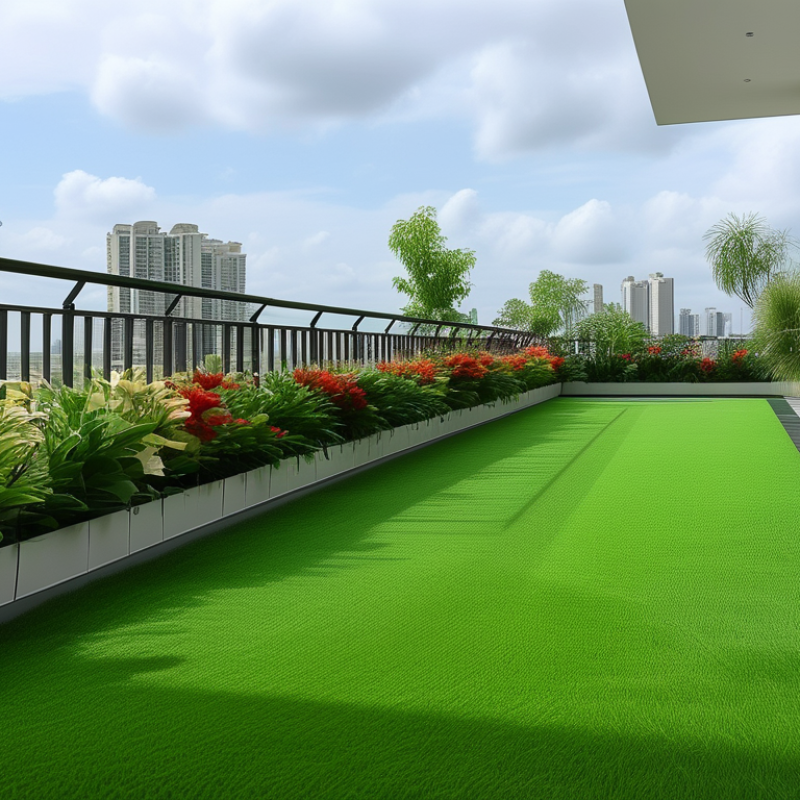
What Makes a Grass Carpet Supplier Reliable for Global Buyers
A reliable grass carpet supplier proves performance before discussing price. Grand View Research valued the global artificial turf market at approximately USD 4.7 billion in 2023. Its forecast also indicates continued growth through 2030. This expansion increases supplier choice, but not necessarily supplier quality. Buyers should request fiber specifications, backing composition, pile height, stitch rate, UV-resistance evidence, and drainage test results. Clear technical sheets matter. So does a physical sample.
Independent testing strengthens credibility. The supplier should provide current laboratory reports for color stability, tensile strength, water permeability, and relevant chemical restrictions. Requirements differ across destinations, so documentation must match the buyer’s market. A dependable supplier also explains production capacity, inspection procedures, carton dimensions, loading plans, and estimated lead times. The International Trade Centre highlights accurate trade information as a foundation for dependable cross-border purchasing. Vague answers create avoidable risk.
Look beyond polished photos. Ask for batch traceability and a written replacement process. Packaging should protect rolls from crushing, moisture, and prolonged sunlight during transport. Site-specific advice is another useful signal; a supplier should distinguish balcony carpet from sports or landscaping applications. Price remains important, unfortunately. A cheap quotation can hide thin backing or inconsistent color. That judgment can fail. Even experienced buyers should compare samples against documented specifications, not promises. A small pilot order may reveal stitching defects, drainage delays, or shade variation before a large shipment is approved.
| Supplier Profile | Primary Product Category | Common Yarn Material | Typical Pile Height | Backing Construction | Suitable Applications | Quality Documents to Request | Typical MOQ Range | Typical Production Lead Time | Export Readiness Indicator | Reliability Benchmark |
|---|---|---|---|---|---|---|---|---|---|---|
| Supplier Profile 01 | Landscape artificial grass carpet | UV-stabilized polyethylene and polypropylene | 25–40 mm | Primary woven backing with latex or polyurethane coating | Gardens, balconies, terraces, outdoor decoration | UV-resistance report, color-fastness test, material declaration, installation guide | 500–1,000 m² | 15–30 working days | Strong when export documents are available | ★★★★☆ 86/100 |
| Supplier Profile 02 | Commercial entrance and display grass carpet | Polypropylene or solution-dyed polyethylene | 8–20 mm | Compact latex-backed or PVC-backed construction | Retail stores, exhibitions, showrooms, event areas | Fire classification, slip-resistance data, abrasion test, technical data sheet | 300–800 m² | 12–25 working days | Strong for project-based purchasing | ★★★★☆ 84/100 |
| Supplier Profile 03 | High-density decorative artificial turf | Polyethylene monofilament and fibrillated yarn | 30–50 mm | Double-layer polypropylene backing with drainage holes | Premium landscaping, hospitality projects, residential developments | Tuft bind, drainage rate, UV-aging test, tensile strength, product warranty terms | 1,000–3,000 m² | 20–35 working days | Strong for large-volume orders | ★★★★★ 91/100 |
| Supplier Profile 04 | Pet-friendly grass carpet | Lead-free polyethylene with soft monofilament yarn | 20–35 mm | Perforated backing designed for drainage and cleaning | Pet areas, balconies, kennels, animal-care facilities | Drainage test, odor-control information, chemical safety declaration, cleaning instructions | 300–1,000 m² | 15–28 working days | Reliable when safety data is transparent | ★★★★☆ 88/100 |
| Supplier Profile 05 | Sports and recreational turf carpet | High-strength polyethylene or polypropylene | 10–30 mm | Reinforced backing with high tuft-retention performance | Play areas, training zones, temporary sports installations | Wear-resistance test, impact-attenuation data, seam instructions, safety certification | 1,000–5,000 m² | 25–45 working days | Reliable for specification-led projects | ★★★★☆ 89/100 |
| Supplier Profile 06 | Budget artificial grass roll carpet | Polypropylene or blended synthetic yarn | 6–20 mm | Single-layer woven backing with latex coating | Short-term events, low-cost decoration, temporary displays | Basic material declaration, color-fastness report, roll dimensions, packing specification | 100–500 m² | 10–20 working days | Suitable for price-sensitive orders | ★★★☆☆ 75/100 |
| Supplier Profile 07 | Custom-color and custom-logo grass carpet | Solution-dyed polyethylene or polypropylene | 8–35 mm | Choice of latex, polyurethane, or PVC-backed options | Brand activations, exhibitions, hospitality, promotional installations | Color approval sample, artwork proof, batch consistency report, fire and abrasion data | 200–1,000 m² | 25–40 working days | Reliable when sample approval is controlled | ★★★★☆ 87/100 |
| Supplier Profile 08 | Indoor decorative grass carpet tiles | Polypropylene face fiber with recycled-content options | 5–15 mm | Bitumen, PVC, or cushion-backed tile construction | Offices, retail interiors, hospitality and exhibition floors | Indoor air-emission data, fire classification, dimensional stability, recycling information | 200–800 m² | 20–35 working days | Strong for modular installation | ★★★★☆ 85/100 |
| Supplier Profile 09 | Drainage-focused outdoor turf carpet | UV-stabilized polyethylene with multi-tone yarn | 20–45 mm | Perforated dual-layer backing with drainage channels | Rain-prone climates, rooftops, pool surroundings, outdoor walkways | Water permeability test, UV-aging data, dimensional stability, installation specification | 500–2,000 m² | 20–35 working days | Strong when drainage performance is verified | ★★★★★ 90/100 |
| Supplier Profile 10 | Recycled-content and sustainability-focused turf | Recycled polyethylene or polypropylene, subject to specification | 15–35 mm | Recycled backing or conventional backing with documented content | Green building projects, public spaces, eco-conscious commercial areas | Recycled-content certificate, product life-cycle information, chemical compliance, end-of-life guidance | 500–2,000 m² | 25–45 working days | Reliable when sustainability claims are documented | ★★★★☆ 88/100 |
: Check pile height, yarn density, backing strength, roll width, and warranty terms. Request a physical sample. Catalog photos can hide uneven stitching or weak backing.
Samples reveal color, softness, stitching, and backing quality. Place one outdoors for several weeks. Inspect fading, curling, and drainage afterward. I would trust a sample more than a polished catalog.
Request itemized quotations using identical specifications. Compare pile height, backing, edge treatment, packaging, and accessories. Confirm whether shipping terms include port charges and local taxes. A cheap quote may not be complete.
Lightweight rolls, short blades, realistic colors, and reliable drainage work well. Ask about UV testing and backing stability. Heavy rain can expose poor drainage quickly.
Sports surfaces need reinforced backing, consistent yarn density, and suitable performance testing. Ask for reports matching relevant local requirements. Numbers alone are not enough.
Confirm pile heights, roll widths, colors, drainage holes, and printed samples. Request a production sample before approving a large order. Small color changes become obvious across a wide terrace.
Ask for laboratory reports, warranty details, installation guides, and relevant certificates. Check the issuing body, certificate number, product scope, and expiry date. Unclear logos deserve caution.
Confirm production time, roll dimensions, carton size, moisture protection, tracking, and replacement procedures. Port delays happen. Damaged packages happen too. I sometimes underestimate freight-related costs, so extra budget is sensible.
Record every promise in writing and request recent project references. Verify references independently when possible. Fast replies do not prove factory quality. A supplier may communicate well and still provide weak documentation.
Not necessarily. A transparent supplier may cost more but reduce rework, replacement, and installation problems. Read warranty exclusions carefully, especially for fading and improper installation. The cheapest option can become expensive.
Choosing the right Grass Carpet supplier is essential for global buyers seeking dependable quality, consistent performance, and smooth international delivery. A reliable supplier should demonstrate strong manufacturing capabilities, transparent communication, stable production capacity, and experience serving overseas markets. Buyers should carefully evaluate fiber materials, backing systems, color consistency, durability, water resistance, safety standards, and quality-control procedures. Certifications, product testing, sample approval, and clear technical documentation can also help reduce purchasing risks.
This article presents ten leading types of Grass Carpet suppliers worldwide without focusing on specific brand names. It compares their pricing structures, customization options, minimum order requirements, certification support, packaging, lead times, and shipping services. It also explains how to assess supplier responsiveness, after-sales support, and ability to meet project-specific needs. By comparing these factors and matching them with the intended application, budget, climate, installation method, and delivery location, buyers can select a supplier that offers the best balance of quality, value, flexibility, and long-term reliability.

 Yameiju