In the quest for sustainable landscaping, Drivable Grass Mats have emerged as an innovative solution. These mats allow for grass growth while providing a stable surface for vehicles. Ideal for driveways and parking areas, they blend functionality with environmental benefits.
As urban landscapes evolve, traditional paving is often replaced by eco-friendly alternatives. Drivable Grass Mats enhance aesthetic appeal and support biodiversity. They reduce stormwater runoff, contributing to healthier ecosystems. However, not all products offer the same quality. Buyers must conduct thorough research to avoid poor choices.
Selecting the right mat requires understanding installation requirements and maintenance needs. Some products may not withstand heavy traffic or extreme weather. Consider local conditions before making a purchase. Embracing Drivable Grass Mats can transform landscapes, but it’s essential to choose wisely and reflect on long-term sustainability.
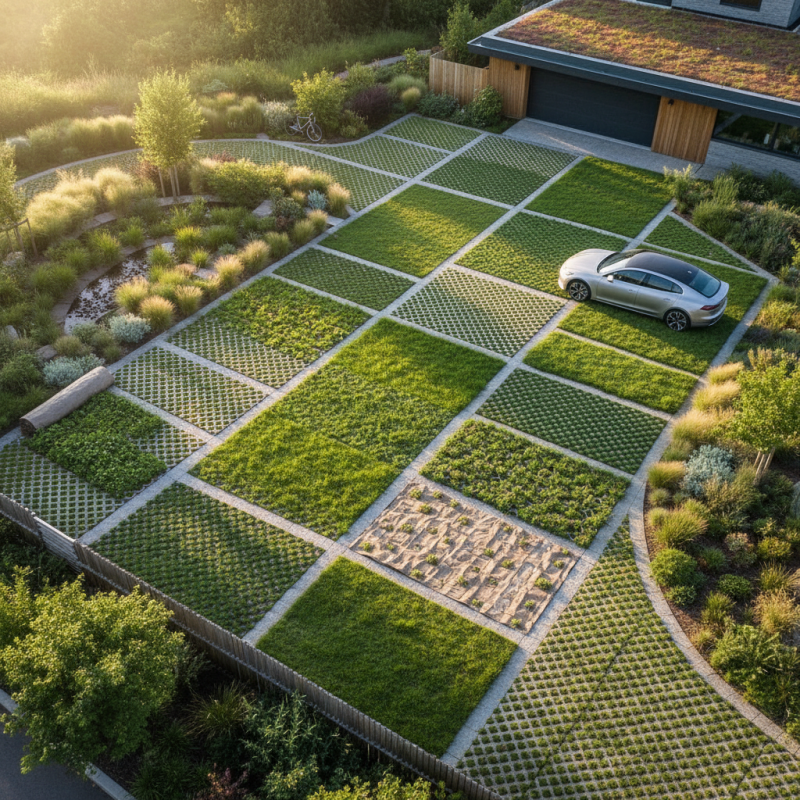
Drivable grass mats are gaining popularity for their role in sustainable landscaping. These mats provide an eco-friendly alternative to traditional paving. They allow for natural grass growth while supporting vehicle traffic. This dual functionality makes them perfect for driveways, parking areas, and pathways.
The benefits of using drivable grass mats are significant. They help reduce stormwater runoff by facilitating water absorption. This helps prevent erosion and maintains a healthier ecosystem. Additionally, the mats promote biodiversity. They create a habitat for small wildlife and beneficial insects. This contributes positively to your local environment.
However, there are challenges to consider. Installation can be tricky without proper preparation. Soil quality and grass type affect the mat's performance. Monitoring is essential to ensure the grass remains healthy. An important aspect is ongoing maintenance to avoid muddy patches. These factors require attention when incorporating drivable grass mats into landscaping solutions.
When exploring drivable grass mats, it’s essential to understand the different types available on the market. They vary in materials, structures, and applications. Some mats are designed as interlocking grids that provide support and stability for vehicles. Others use a biodegradable matrix that encourages grass growth while maintaining a drivable surface.
Selecting the right grass mat hinges on your specific needs. For high-traffic areas, consider mats with robust support to prevent soil compaction. For lighter use, a softer structure might suffice, promoting natural growth without overwhelming the environment. It's crucial to assess traffic patterns before making a choice.
Tips: Evaluate the local climate. Some mats may perform better in certain weather conditions. Additionally, installation plays a vital role in effectiveness. Ensure that mats are securely in place to prevent movement and maintain their integrity over time. Always check for maintenance requirements, as some materials may need more attention than others. By factoring in these details, you can create a sustainable landscaping solution that meets your needs.
When selecting drivable grass mats for sustainable landscaping, several factors demand attention. One primary consideration is durability. Mats must withstand vehicle traffic and harsh weather conditions. Look for materials that resist wear and tear. The longevity of the grass mats directly impacts maintenance costs over time.
Another key factor is installation ease. Some products may require professional help, increasing your overall expenses. User-friendly options should be prioritized. They save time and minimize labor costs. Check for user manuals that provide clear instructions.
Additionally, evaluate the ecological impact of the grass mats. Seek out eco-friendly materials. Mats made from recycled components offer a sustainable choice. A more significant consideration is how well the product supports healthy grass growth. Ensure that your selection encourages aeration and water retention. The right choice can enhance biodiversity, but not all options deliver the same environmental benefits. Be mindful of these elements to create a thriving landscape that remains functional and beautiful.
Installing drivable grass mats can be a rewarding yet challenging process. Start by assessing your site. Ensure the ground is flat and well-drained. Clear the area of debris, rocks, and vegetation. This step prevents issues later. Soil quality is crucial. Test the soil to determine if it needs amendments. Adding organic matter can improve drainage and promote grass growth.
Once the area is prepared, lay a sturdy base. Use gravel or permeable pavers for stability. The mats should be placed on this base to allow even weight distribution. Position the mats tightly together to avoid gaps. Ensure proper alignment to create a seamless look. Water them thoroughly after installation. This encourages root growth and strengthens the mats.
Monitor the installation regularly. Check for any signs of erosion or uneven wear. Grass mats may require additional maintenance initially. This includes watering and weeding. Observing their growth can be enlightening. You may notice variations based on soil and climate. Embrace these challenges; they can inform future landscaping choices.
Maintaining drivable grass mats requires attention to detail. Regular care involves mowing, watering, and aerating the grass. Mowing should happen frequently to keep grass at an appropriate height. This promotes healthy growth and prevents weeds.
It's important to adjust your watering routine based on weather conditions. In hot weather, more frequent watering is essential. But overwatering can lead to root rot and damage. Aerating helps improve drainage and encourages deep root growth. This is crucial for durability.
Weeds can invade your grass mats if not managed. Regularly inspect your grass for any signs of unwanted plants. Spot-treating small weed areas can prevent larger outbreaks. Reflect on your maintenance routines; sometimes, less is more in landscaping. Small adjustments can yield significant improvements.
: Drivable grass mats allow natural grass growth and support vehicle traffic. They are eco-friendly landscaping solutions.
They reduce stormwater runoff, prevent erosion, and promote biodiversity. This fosters a healthier ecosystem.
Yes, installation can be tricky. Soil quality and grass type are important factors to consider.
Assess the site, ensure it’s flat and well-drained, and clear debris. Soil testing is also crucial.
Regular mowing, watering, and aerating are essential for maintaining health and preventing weeds.
Yes, adjust your watering based on weather. Hot weather requires more frequent watering without overdoing it.
Regular inspections and spot-treating weeds help manage invasive plants. This keeps your mats healthy.
Monitor the mats regularly and take action if you notice signs of erosion or uneven wear.
Yes, ensure thorough watering after installation and adjust based on rainfall and temperature conditions.
Regular checks reveal issues like erosion or uneven wear. Observations inform future landscaping decisions.
Drivable Grass Mats offer a sustainable landscaping solution that combines functionality with eco-friendliness. These mats provide numerous benefits, including erosion control, enhanced drainage, and a natural aesthetic that can blend seamlessly with the environment. When selecting drivable grass mats, it's essential to consider various types available on the market and to evaluate factors such as durability, installation requirements, and maintenance needs.
The installation process for drivable grass mats typically involves site preparation and ensuring proper drainage, which can significantly influence their longevity and performance. Regular maintenance, such as mowing and checking for soil compaction, is crucial for keeping these mats in optimal condition, ensuring they continue to support both vehicular traffic and plant growth sustainably. By understanding these key aspects, homeowners and landscapers can effectively utilize drivable grass mats to create beautiful, environmentally friendly spaces.

Yameiju