Top Tips for Choosing the Best Grass Matting for Your Needs?

Time:2026-04-24 Author:Sophia
0%

Selecting the right grass matting can profoundly impact your outdoor spaces. According to John Stevens, an industry expert with over 15 years of experience, "Choosing the right grass matting blends both functionality and aesthetics." This statement underscores the importance of making informed decisions when it comes to grass matting.

Grass matting serves various purposes, from erosion control to providing stable paths on soft ground. Many options are available, each with unique features. It's essential to consider factors like durability, drainage capability, and the specific needs of your project.

Some individuals may rush this decision, leading to regret later. A quick choice could result in subpar aesthetics or functionality. Reflecting on your requirements can guide you to the best grass matting. Remember, thorough research lays the foundation for a successful outcome.
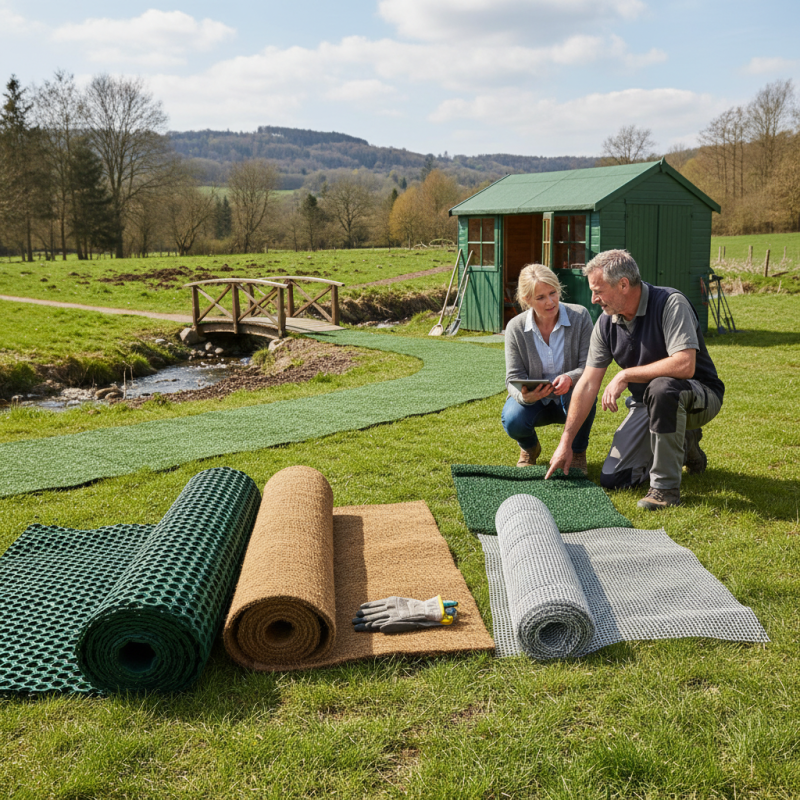
Top Tips for Choosing the Best Grass Matting for Your Needs?

Understanding the Different Types of Grass Matting: An Overview

Choosing the right grass matting can be a daunting task. Different types serve various purposes and environments. It's important to understand the options available to make an informed choice.

Natural grass matting is popular for its eco-friendliness. It's made from real grass and blends seamlessly with landscapes. However, it requires regular maintenance and may not be durable in high-traffic areas. Synthetic options, on the other hand, offer longevity and low upkeep. They come in various textures and colors but may feel less natural.

For events or temporary setups, you might consider roll-out grass mats. They are easy to install and remove. Yet, they might not be suitable for heavy equipment or consistent foot traffic. Evaluating your specific needs and usage can help you find the best option. Remember, the aesthetic appeal and practical function should go hand in hand.

Factors to Consider When Selecting Grass Matting for Specific Uses

When selecting grass matting, consider its intended use. If it's for heavy foot traffic areas, choose a durable option. Some mats are designed specifically for event spaces, while others suit play areas. Identifying the primary function can save you time and money.

Think about the environment where the mat will be placed. Will it be in direct sunlight or under shade? UV-resistant mats are essential for exposed areas to prevent fading. Additionally, drainage is crucial for outdoor mats. Poor drainage can lead to mold and slipping hazards.

Pay attention to maintenance requirements. Some grass matting options are easier to clean than others. Consider how much time you're willing to invest in upkeep. For example, natural grass mats may need regular mowing. Reflect on these factors carefully before making a final decision, as they can profoundly affect your experience.

Analyzing the Durability and Lifespan of Grass Matting Materials

When selecting grass matting, durability and lifespan are crucial factors. Research indicates that high-quality grass matting can last between 5 to 15 years, depending on usage and weather conditions. Materials like natural fiber or synthetic blends show different levels of resilience. Natural fibers typically degrade faster under UV exposure. Yet, they offer superior aesthetics and environmental benefits.

Choosing the right material is essential for longevity. Look for grass matting with UV-resistant properties. This can significantly extend the lifespan. Additionally, consider the thickness of the matting; thicker options often endure higher foot traffic.

Regular maintenance can also enhance the durability of your grass matting. Cleaning debris and avoiding over-saturation can prevent mold growth. In regions with heavy rainfall, consider materials that allow for better drainage to reduce wear and tear. Remember, your specific needs will ultimately guide your choice.

Environmental Impact: Choosing Eco-Friendly Grass Matting Options

When choosing grass matting, considering eco-friendly options can significantly impact the environment. Look for materials made from recycled or natural fibers. These options not only reduce waste but also promote sustainability. Additionally, some grass matting products are designed to decompose over time, reducing their long-term environmental footprint.

Here are some tips to guide your selection. Check the certification of the grass matting. Look for products that hold certifications related to sustainability. This can indicate responsible sourcing and manufacturing practices. Research the lifespan of the matting too. Short-lived products can lead to more waste. Aim for durability to minimize replacements and environmental burden.

Lastly, consider your local ecosystem. Different grass types may thrive better in specific climates. Selecting the right mat can enhance biodiversity. When in doubt, consult local environmental experts. They can offer insights tailored to your area, helping you make a more informed decision that benefits both your needs and the planet.

Environmental Impact of Different Grass Matting Options

Cost-Effectiveness of Grass Matting: Budgeting for Your Project

When budgeting for grass matting, it's crucial to consider both the initial costs and long-term benefits. High-quality grass matting can be an investment. Cheaper options might save you money upfront, but they often lead to more frequent replacements. This can ultimately result in higher expenses over time. Assessing the durability and resilience of materials is essential.

Factor in installation costs, too. Sometimes, the cheapest product requires more complex installation methods, which can drive up labor costs. Choose materials that suit your specific environment. For example, areas with heavy foot traffic may require sturdier options. This consideration improves the lifespan and performance of the matting.

Another critical point is maintenance costs. Some grass matting products require more upkeep than others. Think about how often you can dedicate time to care. Weigh the cost of maintenance against convenience. Skimping on quality may seem appealing, but it often leads to regret. Trust in durable, reliable options that align with your budget. Doing so builds a solid foundation for your project.

FAQS

: What is natural grass matting?

: Natural grass matting is eco-friendly and made from real grass. It blends well with landscapes.

What are the downsides of using natural grass matting?

It requires regular maintenance and may not last in high-traffic areas.

How do synthetic grass mats differ from natural ones?

Synthetic mats offer longevity and low upkeep but may feel less natural. They come in various textures.

What should I consider for heavy foot traffic areas?

For heavy foot traffic, choose a durable matting option designed for that specific use.

Why is drainage important for outdoor matting?

Poor drainage can cause mold and slipping hazards. Proper drainage keeps mats safe and functional.

How long can grass matting last?

High-quality mats can last 5 to 15 years, depending on usage and weather conditions.

What maintenance does natural grass matting require?

Natural grass mats may need regular mowing and cleaning to keep them in good condition.

How can I extend the lifespan of grass matting?

Choose UV-resistant mats and clean debris regularly to enhance durability.

Can I use roll-out grass mats for heavy equipment?

No, roll-out mats are not suitable for heavy equipment or consistent foot traffic.

What should I reflect on before choosing grass matting?

Consider your specific needs, maintenance time, and the environment where it will be placed.

Conclusion

Choosing the right grass matting for your specific needs involves understanding the various types available and their suitable applications. Each type of grass matting comes with distinct features that cater to different purposes, from landscaping to erosion control. When selecting the ideal matting, it’s crucial to consider factors such as intended use, the environment, and the level of foot traffic anticipated.

Durability and lifespan are vital considerations as well, since high-quality grass matting is designed to withstand wear and tear over time. Additionally, opting for eco-friendly options can help minimize your environmental footprint while still meeting your project requirements. Finally, budgeting effectively for your grass matting project ensures a cost-effective solution that doesn't compromise on quality, allowing you to achieve your desired results without exceeding your financial limits.


Sophia

Sophia

Sophia is a dedicated marketing professional with an exceptional depth of knowledge about her company's products and services. With a keen understanding of market trends and customer needs, she crafts insightful blog posts that not only inform but also engage readers, enriching the company’s online......