Installing artificial grass turf has become a popular choice for homeowners and businesses alike. According to a report from the Synthetic Turf Council, the industry has seen a 25% increase in demand over the past three years. This surge reflects the growing recognition of the long-term benefits of artificial grass. Expert Mike Anderson states, “Rolling artificial grass turf correctly can make or break your installation's success.” This highlights the importance of proper techniques in achieving optimal results.
The process of rolling artificial grass turf is crucial in ensuring a smooth and durable surface. Professionals recommend using a heavy roller to eliminate wrinkles and air pockets. However, not everyone gets it right on the first try. Many installers encounter challenges that can result in uneven surfaces or improper drainage. Real-world experiences show that practice and precision are key to overcoming these hurdles.
Moreover, many DIY enthusiasts underestimate the intricacies involved in rolling artificial grass turf. Misalignment or inadequate tension during installation can lead to costly repairs later. A little extra attention to detail in this phase can prevent significant issues down the line. Understanding these complexities is essential for achieving a professional-level finish in artificial grass installations.
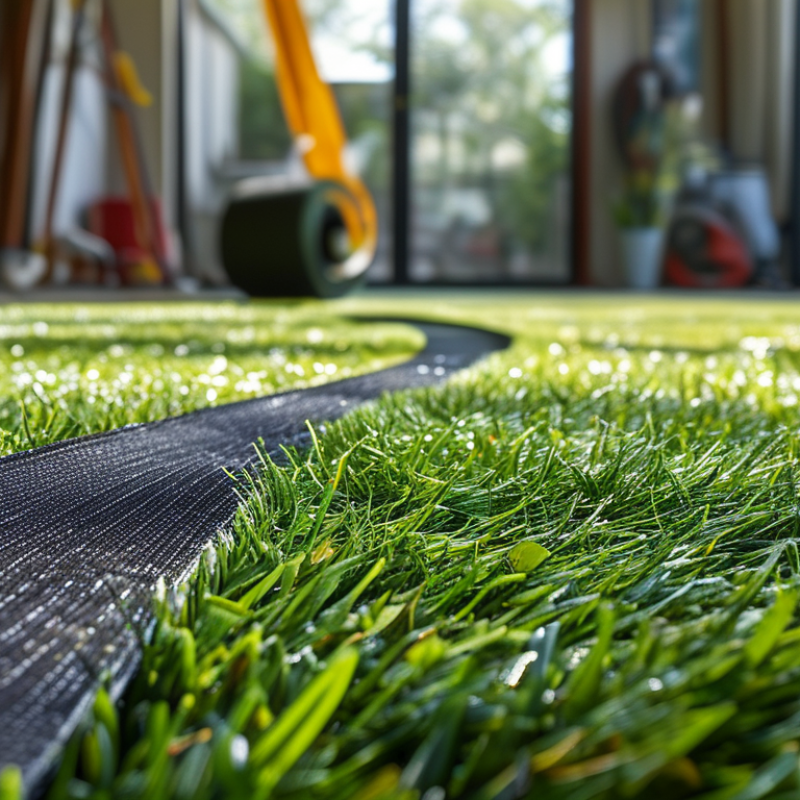
Understanding the Benefits of Artificial Grass Turf for Your Project
Artificial grass turf offers numerous benefits for both residential and commercial projects. It provides a lush, green appearance year-round, reducing the need for constant maintenance. Homeowners appreciate the time saved since it does not require mowing, watering, or fertilizing. It also stands up well to heavy foot traffic, making it suitable for vibrant backyards or public parks.
Tips: Choose the right pile height for your space. Shorter blades work well for high-traffic areas, while longer blades provide a softer feel for relaxation spots.
Another advantage of artificial turf is its durability. It resists weather-related wear and can handle extreme temperatures. This means less fading over time, maintaining a bright look. Additionally, synthetic grass helps conserve water, contributing to eco-friendly practices.
Tips: When planning your installation, measure your area carefully. This helps minimize waste and ensures a more seamless look. It's important to consider drainage as well, to prevent water pooling.
Preparing the Installation Site for Artificial Grass Turf
Preparing the installation site for artificial grass turf is crucial for a successful outcome. Proper site preparation ensures durability and aesthetics. Studies from the Synthetic Turf Council indicate that a well-prepped site can extend the lifespan of turf by up to 30%. Start by removing existing grass and debris. Level the soil before laying down the turf, as uneven surfaces lead to drainage issues.
When it comes to drainage, experts recommend having a slope of at least 1% for effective water runoff. This helps prevent pooling and maintains the integrity of the turf. Compacted soil can pose problems, so utilize a plate compactor to achieve a solid base.
Tips:
- Always check for underground utilities before digging.
- Use a weed barrier fabric to prevent unwanted growth.
- Consider the climate in your area; ensure proper materials are used for drainage.
Mistakes can happen, like improperly measuring the area or skipping base preparations. It’s crucial to reflect on these oversights to improve future projects. Taking the time to methodically prepare your site will yield a professional-looking installation, showcasing the beauty of artificial grass for years to come.
Steps for Properly Rolling Out Artificial Grass Turf
When rolling out artificial grass turf, correct technique is crucial. Start by laying the turf in the designated area. Make sure the ground is level and free of debris. Unroll the turf gradually, allowing it to lay flat. This prevents wrinkles and ensures an even surface.
Next, take your time to adjust the edges. Align them properly with your planned design. It can be frustrating if the edges don’t line up perfectly. Use a utility knife for accurate trimming. This step requires focus and precision. An uneven cut can lead to unsightly seams.
After laying, check for any bumps or wrinkles. You may need to roll the turf back and adjust the base. It’s a common mistake to overlook this step. Ensure there's no debris underneath before securing. Be patient, as rushing can lead to issues later. Proper installation requires attention to detail, ensuring a professional finish.
Techniques for Securing Artificial Grass Turf During Installation
When installing artificial grass turf, securing it properly is crucial. Using stakes or pins ensures the grass stays in place. Place these anchors at the edges and seams. This helps to prevent uplift from wind or foot traffic. A common mistake is to underestimate the importance of this step. Neglecting to secure the turf can lead to wrinkles or shifting over time.
Along with pins, consider using adhesive for added stability. Applying glue to seams helps prevent separation. This is especially vital in high-traffic areas. Some may find it challenging to apply the correct amount of adhesive. Too little can weaken the bond, while too much can cause unsightly messiness.
Lastly, always double-check your installation. Look for any areas that may need more support. Detected imperfections can lead to issues later on. Getting it right the first time saves time and money. Reflecting on past experiences can guide future installations and improve results. Secure turf properly, and enjoy a beautiful lawn.
How to Roll Artificial Grass Turf for Easy Installation? - Techniques for Securing Artificial Grass Turf During Installation
| Technique |
Description |
Tools Required |
Benefits |
| Unrolling |
Carefully unroll the artificial grass onto the prepared surface without creases. |
N/A |
Prepares a smooth installation surface. |
| Cutting |
Trim edges to fit around curbs, trees, or other obstructions. |
Utility knife, straight edge |
Ensures a neat, finished look. |
| Securing Edges |
Use landscape staples or adhesive to secure edges of the turf. |
Landscape staples, adhesive, or turf tape |
Prevents shifting and lifting over time. |
| Seaming |
Join two pieces of turf using seam tape and adhesive for a seamless look. |
Seam tape, adhesive |
Reduces visible seams between pieces. |
| Infill Application |
Spread infill material evenly to help the blades stand upright. |
Broom, infill material (sand or rubber) |
Enhances durability and improves aesthetic appeal. |
Finalizing the Installation: Trimming and Cleaning Up
After rolling out the artificial grass turf, trimming is essential for a polished finish. Use a sharp utility knife for accurate cuts. Ensure you wear proper safety gear to avoid accidents. Trim along the edges, creating a clean boundary between the turf and surrounding areas. Pay attention to the details, as uneven edges can detract from the overall appearance.
Cleaning up after installation is just as important. Remove any excess material, like scraps and loose fibers. Vacuum the turf to lift the blades, giving it a vibrant look. It's a good idea to rinse the turf to clear away any dust or debris. However, don’t soak it excessively. Waterlogged turf can lead to issues down the line.
When installing, always double-check your measurements. Inaccuracies can lead to wasted material. Moreover, if you’re working with multiple pieces, ensure they align neatly. Misalignments can be frustrating and hard to fix later. Remember that every installation has its quirks, so remain patient during the process. Attention to detail in trimming and cleaning makes all the difference.
Conclusion
Rolling out artificial grass turf is an efficient process that, when executed correctly, can transform any outdoor space. The first step is to understand the advantages of using artificial grass, such as low maintenance and durability. Preparing the installation site is crucial; it involves clearing debris, leveling the ground, and ensuring proper drainage.
Once the area is ready, you can proceed to roll artificial grass turf, following specific steps to ensure a smooth application. Utilizing techniques to secure the turf properly will prevent shifting and enhance longevity. Finally, finishing touches like trimming the edges and cleaning the area will ensure a professional-looking installation. Adhering to these guidelines will help you achieve a successful and aesthetically pleasing installation of artificial grass.

 Yameiju