China Top Grass Matting Manufacturers How to Choose?

Time:2026-09-16 Author:Madeline
0%

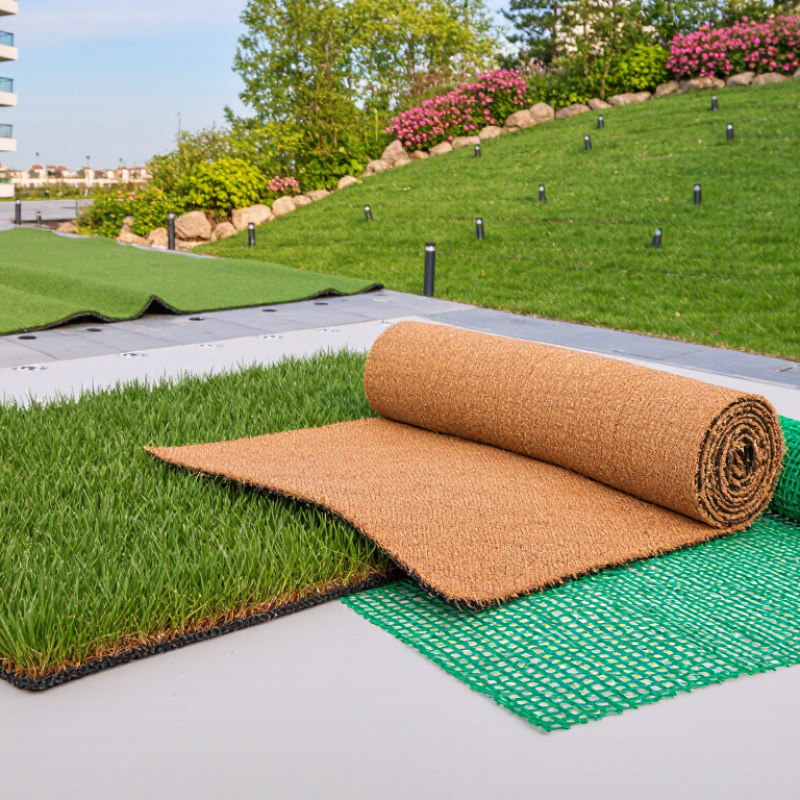
Choosing among China’s top Grass Matting manufacturers requires more than comparing catalog prices. The product may be artificial turf, coir erosion matting, or woven landscape mesh. Each serves a different site condition. A balcony needs drainage and UV stability. A sloped garden needs tensile strength, anchoring, and controlled water flow.

Market data shows why careful screening matters. Grand View Research valued the global artificial turf market at approximately USD 3.5 billion in 2022. It also projected steady growth through 2030. Meanwhile, industry reports on erosion-control products highlight expanding demand for biodegradable fibers and sustainable landscape solutions. These figures describe related markets, not every Grass Matting product. That limitation deserves attention.

Turfgrass scientist Dr. James B. Beard offered a useful principle: “Quality turf depends on matching the grass to its environment.” The same logic applies to matting. A reliable Chinese supplier should explain fiber type, pile height, backing structure, drainage rate, and UV performance. Ask for laboratory results, production photographs, export experience, and samples from the current production line. Check whether testing follows relevant standards, such as EN 15330-1 for synthetic turf or ASTM methods for material performance.

Do not trust bright samples alone. They can hide weak seams, harsh plastic odors, or poor backing adhesion. Visit the factory when possible. Compare three samples after sunlight, bending, and water exposure. The cheapest quote may become the most expensive choice. That is not always obvious at the beginning.
China Top Grass Matting Manufacturers How to Choose?

Types of Grass Matting and Their Common Applications

China Top Grass Matting Manufacturers How to Choose?

Grass matting varies by material, backing, and intended use. Artificial grass matting suits balconies, rooftop terraces, play areas, and temporary exhibition floors. Short, dense piles are easier to clean near entrances. Longer piles create a softer garden appearance, but they can flatten under heavy furniture. Drainage matters. Perforated backing helps rainwater leave quickly. For steep landscaping, biodegradable coir or jute matting can reduce soil movement while plants become established. It is not a permanent surface.

Application should guide every specification. Entrance areas need textured, slip-resistant surfaces that trap moisture and dirt. Pet zones require non-toxic materials, firm seams, and easy washing. Sports and recreational spaces may need shock-absorbing layers, consistent pile height, and strong UV resistance. A grass mat beside a pool should tolerate frequent water exposure, yet its backing must not remain soaked. Small details matter.

When comparing manufacturers, request material samples, backing information, drainage rates, UV test results, and installation guidance. Check whether the stated pile height matches the sample; some measurements exclude the backing. A low quotation may hide weak seams or poor edge finishing. I have seen attractive matting lose its shape after one hot season because ventilation was ignored. That mistake is easy to repeat. Inspect the factory’s quality records and ask how damaged sections are repaired. A careful supplier should explain limitations, not promise that one matting type fits every site.

Types of Grass Matting and Their Common Applications

Comparison of common application categories for major grass matting types. A value of 1 indicates a typical application; 0 indicates that the use is less common.

Coir and jute matting are biodegradable options commonly used for soil erosion control, landscaping, and slope stabilization. Straw matting is generally selected for short-term erosion protection and hydroseeding. Synthetic polypropylene matting is preferred for longer-term or high-strength applications such as roadsides, drainage channels, and shoreline protection.

Key Standards for Evaluating Grass Matting Manufacturers in China

China Top Grass Matting Manufacturers: How to Choose?

Evaluating grass matting manufacturers requires more than comparing quotations. Start with material quality, yarn resilience, backing strength, and drainage performance. Ask for product specifications, batch records, and test reports from qualified laboratories. A reliable manufacturer should explain fiber composition, pile height, density, UV resistance, and expected service conditions clearly. Vague answers deserve caution. Request samples from different production batches. Examine stitching, edge finishing, odor, color consistency, and how quickly the mat recovers after bending. These small details often reveal factory discipline.

Production capability matters as much as the sample. Check whether the manufacturer controls extrusion, tufting, coating, cutting, and final inspection in-house. Confirm equipment maintenance, worker training, and documented quality procedures. Factory videos are useful, but an independent audit is stronger evidence. Ask how defects are recorded and corrected. Transparent suppliers should provide traceability from raw materials to shipment. Certifications can support credibility, but they should match the product and market. Certificates alone do not prove consistent performance.

Tips: Compare at least three suppliers using the same checklist. Test drainage after heavy watering, not just under showroom lights. Discuss packaging, moisture protection, lead times, and replacement procedures before ordering. A low price may hide thinner backing or weaker yarn. Be careful with confident promises. Even experienced buyers can overlook seasonal color variation or transport damage. Leave room for improvement in your inspection plan. Reliable sourcing is rarely perfect, but it should be measurable, documented, and honest.

How to Compare Materials, Manufacturing Processes, and Product Quality

China Top Grass Matting Manufacturers: How to Choose?

When comparing grass matting manufacturers in China, start with the material rather than the surface appearance. Polypropylene mats are usually affordable and flexible. Polyethylene fibers often provide a softer, more natural look. Natural fibers can feel authentic, but they may absorb moisture and require careful storage. Ask for fiber specifications, backing composition, UV resistance, and expected service life.

Manufacturing details reveal more than sales photographs. Check whether fibers are woven, tufted, or bonded, and examine the backing density. A stable backing should resist curling after repeated temperature changes. Strong edge binding also reduces fraying during installation. Request production samples from different batches. Test drainage by pouring water across the mat, not only through a small corner. Inspect color consistency under daylight. It sounds simple.

Quality evidence should include factory inspection records, material test reports, and clear tolerance standards. Experienced manufacturers can explain tensile strength, dimensional stability, odor control, and colorfastness without avoiding technical questions. I have seen attractive samples fail because their backing became brittle after outdoor exposure. A lower-cost option may still be suitable, but only when its limits are documented.

No inspection method is perfect. Some defects appear after weeks of use, especially in humid or high-traffic areas. Therefore, compare warranty terms, replacement procedures, packaging protection, and communication during sampling. A reliable manufacturer welcomes difficult questions and records corrective actions. Small gaps in documentation should not be ignored.

How to Verify Supplier Credentials, Capacity, and Export Experience

China Top Grass Matting Manufacturers: How to Choose?

Supplier verification should begin with documents, not polished factory photos. Request the business license, export registration, ISO 9001 certificate, and recent product test reports. The ISO Survey 2023 recorded 1,265,216 ISO 9001 certificates worldwide, but certification alone proves little. Check the certificate number through the issuing body. Confirm that its scope covers manufacturing, not only trading activities. Ask for a live video audit showing weaving equipment, raw-material storage, moisture controls, and finished-goods inspection. Small details matter.

Capacity needs practical evidence. Request monthly output for the previous twelve months, machine numbers, production shifts, and average lead times. Compare these figures with purchase orders, anonymized invoices, or shipping records. A factory claiming large capacity should explain how it handles peak-season demand without weakening grass density or edge stitching. Ask for retained samples from different production dates. They may reveal uneven color. That is useful evidence, not an inconvenience.

Export experience can be checked through ITC Trade Map, which draws on UN Comtrade customs data, and through redacted bills of lading. Review destination markets, product descriptions, shipment frequency, and transport routes. Confirm packaging dimensions and container loading plans before sampling. The World Bank’s Logistics Performance Index 2023 assessed logistics across 139 economies, reminding buyers that delivery reliability depends on more than factory speed. I would still allow a margin for delays. Supplier records are sometimes incomplete, and one successful shipment does not establish long-term reliability.

How to Select the Best Manufacturer for Your Project Requirements

Choosing a top grass matting manufacturer in China starts with your project, not a catalog. Define location, foot traffic, drainage, pile height, backing, and expected service life. A rooftop play area needs different reinforcement from a hotel entrance. Ask for technical data, production photos, and recent project references. Experienced suppliers should explain fiber type, UV resistance, seam methods, and test conditions clearly. Vague promises are a warning sign.

Request physical samples before discussing large quantities. Check color consistency under daylight, backing flexibility, odor, edge stability, and water flow. Bend the mat repeatedly. Walk on it with work shoes. Small tests reveal defects that photographs hide. Verify factory capacity, quality-control stages, batch records, and packaging protection. An on-site or live video inspection adds useful evidence. However, a polished factory tour does not prove consistent output. Ask how rejected rolls are handled and whether replacement terms are written into the contract.

Compare quotations by total project cost, not square-meter price alone. Include cutting waste, freight, installation tools, maintenance, and possible returns. Confirm production lead time and communication responsibilities in writing. A capable manufacturer should provide drawings or installation guidance suited to your site. Ask about independent testing and applicable safety requirements for your market.

I have seen low-cost selections fail at seams after heavy rain. The lesson is uncomfortable: a familiar specification may still be wrong for your climate. Leave room for a pilot order, because careful decisions can still miss real-world conditions.

FAQS

What materials should I compare when selecting grass matting?

Compare polypropylene, polyethylene, and natural fibers. Polypropylene is flexible and usually affordable. Polyethylene often feels softer and looks more natural. Natural fibers may absorb moisture. Ask about fiber composition, backing, UV resistance, and service life.

How can I inspect a physical grass matting sample?

Check stitching, edge binding, odor, color, and backing flexibility. Bend the mat repeatedly. It should recover without obvious creases. Walk on it with work shoes. Small flaws may appear quickly.

What manufacturing processes deserve attention?

Ask whether the fibers are woven, tufted, or bonded. Examine tufting density and backing strength. Confirm control over extrusion, coating, cutting, and final inspection. In-house production can improve consistency, but it is not perfect.

How should I test drainage performance?

Pour water across the mat, not only through one corner. Test it after heavy watering. Watch for pooling underneath. A showroom test may hide drainage problems. Real conditions are less forgiving.

Which quality documents should a manufacturer provide?

Request material reports, factory inspection records, batch records, and tolerance standards. Check whether test reports match the actual product. Certifications can support credibility. They do not prove every batch performs equally.

How can I judge whether a manufacturer is reliable?

Ask how defects are recorded, corrected, and traced. Confirm worker training and equipment maintenance. An independent factory audit provides stronger evidence than polished videos. Vague answers deserve caution.

What project details should I define before ordering?

State the location, foot traffic, drainage needs, pile height, backing, and service life. A rooftop play area needs stronger reinforcement than a quiet entrance. Mention climate and installation conditions. Familiar specifications can still be wrong.

How should I compare supplier quotations?

Compare total project cost, not square-meter price alone. Include cutting waste, freight, installation tools, maintenance, and possible returns. Confirm packaging, moisture protection, lead time, and replacement terms. Cheap materials may fail at seams after heavy rain.

Should I place a pilot order before buying in bulk?

A pilot order can reveal color variation, transport damage, and hidden installation problems. Test samples from different production batches. No checklist catches everything. Leave room to improve your inspection plan.

Conclusion

Choosing the right Grass Matting manufacturer in China requires a clear understanding of product types and their intended applications. Grass matting may be used for landscaping, slope protection, garden pathways, erosion control, temporary ground coverage, and decorative projects. Buyers should evaluate manufacturers by material quality, durability, weather resistance, dimensions, weaving or production methods, and compliance with relevant quality and safety requirements. Consistent color, strength, density, and finishing quality are also important indicators of reliable production.

A professional selection process should include verifying the supplier’s business credentials, factory capabilities, quality-control procedures, production capacity, lead times, packaging methods, and export experience. It is helpful to request product samples, technical specifications, inspection records, and references for comparable projects. The best manufacturer should be chosen according to the project’s climate, installation conditions, budget, order volume, customization needs, and delivery schedule. Clear communication and transparent documentation can reduce purchasing risks and support a stable, long-term supply relationship.

Madeline

Madeline

Madeline is a dedicated marketing professional with a wealth of expertise in our company's core offerings. With a keen understanding of the industry, she brings a unique perspective to her role, consistently delivering high-quality content that highlights the superior aspects of our products. As......