When considering landscape options, many homeowners turn to Landscape Artificial Grass. This synthetic alternative provides a beautiful, green lawn year-round, regardless of the climate. However, not all artificial grass is created equal, and choosing the right type requires careful thought.
Factors such as pile height, material quality, and drainage capabilities are crucial. It's essential to assess how the grass will perform in various weather conditions. Additionally, consider the longevity and maintenance requirements of different products. Some landscapes may need more durable options, while others can work with softer materials.
Incorporating elements like UV resistance can also enhance the grass's lifespan. Homeowners should balance desire for aesthetics with practical needs. Reflecting on personal preferences will result in a more satisfying choice. Being well-informed leads to a decision that aligns with your landscape vision and lifestyle.
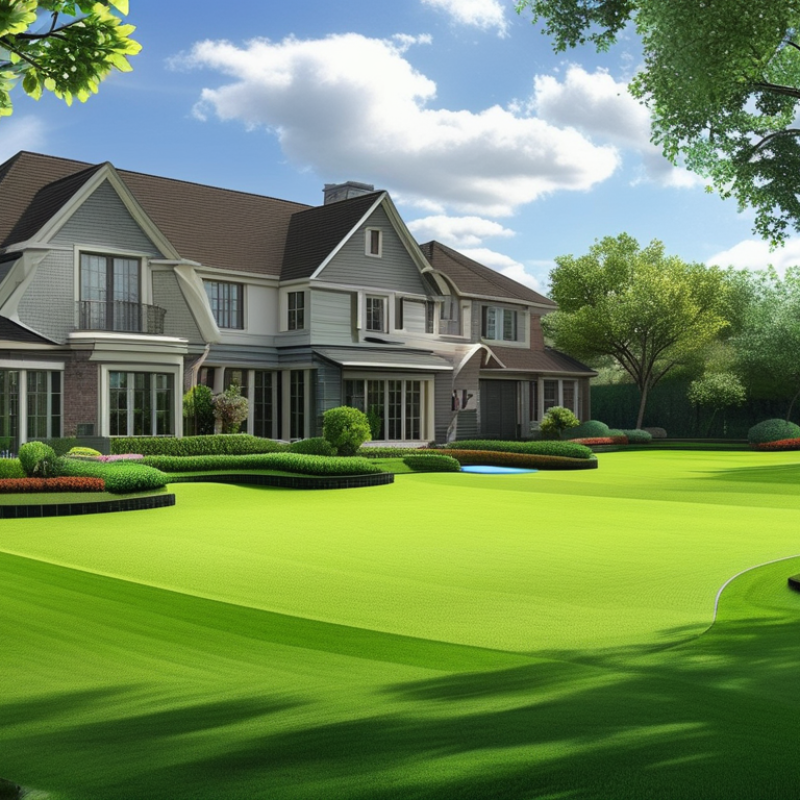
Understanding the Different Types of Landscape Artificial Grass Available
When choosing landscape artificial grass, understanding the different types available is crucial. The market offers a range of options, each designed for specific purposes. Some grass types mimic natural turf closely, while others prioritize durability and low maintenance. Research indicates that synthetic grass can reduce lawn maintenance costs by up to 70%, making it an appealing choice for many homeowners.
Nylon, polyethylene, and polypropylene are the three main materials used in synthetic grass. Nylon is known for its resilience and ability to withstand heavy foot traffic. It typically retains its shape better than other options. However, it's often more expensive. Polyethylene, on the other hand, provides a softer feel and is resistant to fading. The choice between these materials can significantly impact the grass's appearance and longevity.
Moreover, infill options should not be overlooked. Infill acts as a cushion and helps to keep the blades standing upright. Common choices include crumb rubber and sand, each offering distinct advantages. Crumb rubber provides excellent drainage and cushioning, but may retain heat. Sand is more eco-friendly but can settle over time, leading to a flatter appearance. Weighing the pros and cons of these options is essential for selecting the best artificial grass for your landscape.
Key Factors to Consider When Choosing Artificial Grass for Landscaping
When considering artificial grass for landscaping, key factors come into play.
The first is the type of grass. Options include varying blade textures and colors, giving a realistic look. Assessing the pile height is essential; longer blades often feel softer underfoot. However, they may require more maintenance.
Durability is another vital aspect. Look for grass designed to withstand heavy foot traffic, especially in areas with play or gatherings. Pay attention to the quality of materials. Cheaper options may fade or wear quickly. It's wise to invest in a more durable product for long-term aesthetics.
In addition, consider the installation process. A professional installation can save time and ensure proper drainage. DIY options might seem appealing, but ensure you understand the complexities involved. Research thoroughly, and reflect on past experiences with similar projects. This insight can guide choices and help avoid common pitfalls.
Evaluating the Durability and Maintenance Requirements of Synthetic Turf
When choosing synthetic turf, durability and maintenance are crucial. Synthetic grass can last 15 to 25 years, depending on the quality and type. According to a study by the Synthetic Turf Council, high-quality turf options demonstrate superior resilience to wear and tear, making them ideal for high-traffic areas. However, lower-grade options may require more frequent replacements and repairs, leading to higher long-term costs.
Maintenance requirements are another key factor. While synthetic turf is often marketed as low-maintenance, regular upkeep is necessary to preserve its appearance and functionality. According to industry reports, periodic brushing, cleaning debris, and occasional rinsing help maintain the grass's integrity and prevent odors. Neglecting these practices can lead to reduced lifespan and performance issues.
It's essential to consider the environment as well. Some artificial grasses may involve using infill materials that could raise environmental concerns. Not all synthetic options are created equal; some contain recycled materials while others do not. Research indicates that using eco-friendly infills can reduce environmental impact significantly. Choosing the right product requires understanding your specific needs and the long-term implications of your choice.
Analyzing Cost-Effectiveness: Initial Investment vs. Long-term Savings
When choosing landscape artificial grass, the cost-effectiveness is a major factor to consider. Initial investment can seem high, often ranging from $5 to $20 per square foot, depending on quality. However, it's important to analyze long-term savings this investment can provide. For instance, a study by the Synthetic Turf Council indicated that homeowners can save around 70% on water costs after switching to artificial grass. Over several years, these savings accumulate significantly.
Maintenance savings also play a crucial role. Traditional lawns require regular mowing, fertilizing, and pest control, costing homeowners an average of $1,250 annually. In contrast, artificial grass needs minimal upkeep. A simple rinse and occasional brushing are often sufficient. Additionally, the absence of pesticides and fertilizers promotes a healthier environment, reducing chemical exposure.
Some potential drawbacks do exist. The upfront cost can deter some homeowners. Also, artificial grass can get hot in direct sunlight, which may be uncomfortable for pets and children. It's essential to weigh these factors against the long-term benefits. Additionally, the longevity of artificial grass typically exceeds 15 years, making it a lasting solution that often pays for itself over time.
Environmental Impacts and Sustainability of Landscape Artificial Grass Options
When selecting landscape artificial grass, it's vital to consider its environmental impacts and sustainability. Many options on the market claim to be eco-friendly, but not all are created equal. Some synthetic grasses are made from recycled materials, which can be a positive factor. However, not all recycling processes are efficient. It’s essential to research the manufacturing origins of the grass.
Another consideration is the lifespan of the product. While artificial grass can last many years, it’s crucial to think about disposal at the end of its life. Not all synthetic turf is recyclable, leading to landfill waste. Look for products designed for easy recycling or upcycling.
Additionally, the infill materials used can greatly affect sustainability. Some infills are made from natural materials, while others can release harmful chemicals. Think about what you’re putting in your lawn. Evaluating every aspect will lead to a more informed decision. Reflect on how your choice will impact the environment overall. Remember, while artificial turf can save on water and maintenance, its sustainability efforts must align with eco-conscious values.
Top Tips for Choosing Landscape Artificial Grass: What to Consider? - Environmental Impacts and Sustainability of Landscape Artificial Grass Options
| Criterion |
Considerations |
Environmental Impact |
Sustainability |
| Material Type |
Look for non-toxic, lead-free materials. |
Some materials may leach harmful chemicals into the soil. |
Recycled materials are preferable. |
| Durability |
Assess wear and tear expected in various climates. |
Longer-lasting products reduce waste. |
Higher durability contributes to overall sustainability. |
| Water Management |
Consider drainage capabilities to prevent flooding. |
Good drainage reduces runoff and loss of local biodiversity. |
Effective water management supports sustainable landscaping. |
| Color Stability |
Check for UV resistance to prevent fading. |
Fading products may require replacement, increasing waste. |
Stable colors reduce the environmental footprint over time. |
| Certifications |
Look for certifications regarding environmental safety. |
Certifications ensure compliance with safety standards. |
Certifications can indicate a product’s overall sustainability focus. |
FAQS
: The three main materials are nylon, polyethylene, and polypropylene. Each has different characteristics impacting performance.
Synthetic turf can last 15 to 25 years, depending on the quality and type of grass selected.
Regular brushing, cleaning debris, and occasional rinsing are crucial for maintaining appearance and functionality.
No, not all synthetic grasses are eco-friendly. Some are made from recycled materials, while others may pose environmental risks.
Infill provides cushioning and helps keep grass blades upright. It comes in options like crumb rubber and sand.
Not all artificial grass is recyclable. Some options are designed for easy recycling, while others may end up in landfills.
Consider your specific needs, durability, maintenance requirements, and the environmental impact of the materials.
It may retain heat, require regular upkeep, and potentially contribute to landfill waste if not disposed of properly.
Yes, lower-grade options may need more frequent replacements, leading to higher long-term costs despite lower initial prices.
While it saves water and maintenance, one must evaluate the long-term environmental effects of materials used and disposal methods.
Conclusion
When choosing Landscape Artificial Grass, it's essential to understand the various types available, as each option offers distinct features suited for different landscaping needs. Key factors to consider include the grass's texture, color, and pile height, which significantly affect the visual appeal and functionality of your outdoor space. Evaluating the durability and maintenance requirements is crucial to ensure that the grass can withstand climate fluctuations while remaining low-maintenance.
Cost-effectiveness is another vital aspect, where an initial investment in high-quality synthetic turf may lead to long-term savings in maintenance and water usage. Additionally, examining the environmental impacts and sustainability of Landscape Artificial Grass options will help in making an informed decision that aligns with eco-friendly practices. By carefully considering these elements, homeowners can select the best artificial grass solution for their landscaping projects.

 Yameiju