In recent years, the popularity of Green Artificial Grass has surged among homeowners and businesses alike. This eco-friendly solution offers a beautiful, lush appearance without the maintenance demands of natural grass. Imagine walking on a soft, vibrant lawn that requires no watering or mowing. It not only enhances your outdoor space but also contributes positively to the environment.
Green Artificial Grass provides a variety of benefits that can transform your area into an oasis. It is durable, made to withstand heavy foot traffic while retaining its color and texture. Additionally, it eliminates the need for harmful pesticides and fertilizers, promoting a healthier environment. Homeowners appreciate the ease of maintenance, freeing up time for family and leisure activities.
However, some may question the initial investment or its suitability for all climates. It’s essential to weigh these considerations against the long-term advantages. Embracing Green Artificial Grass could be a simple yet impactful change for those looking to improve their surroundings sustainably.
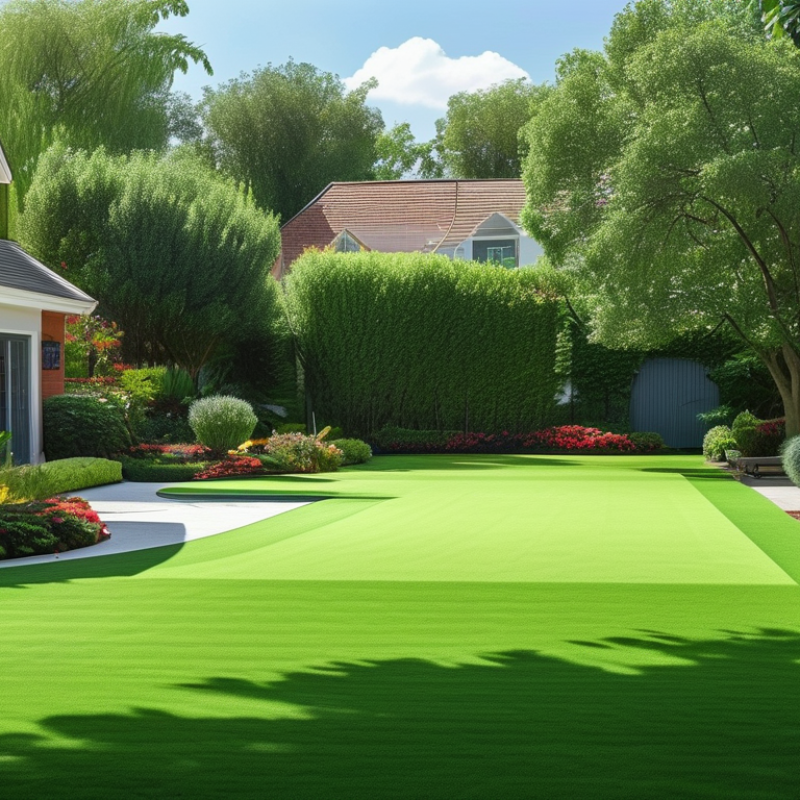
Green artificial grass offers many advantages for low-maintenance landscaping. One key benefit is its ability to stay lush and vibrant all year round. Unlike natural grass, artificial turf does not require regular mowing, watering, or fertilizing. This can save homeowners significant time and effort.
Another advantage is the reduction in water usage. Traditional lawns often demand a great deal of water, which can be a concern in drought-prone areas. Opting for synthetic grass can lead to decreased water bills. However, it’s important to consider that some regions may have specific regulations regarding water resources that you should be aware of before making the switch.
Artificial grass is also known for its durability. It can withstand heavy foot traffic and remain intact, providing a safe play area for children and pets. Yet, it may not feel as soft as natural grass. This difference can affect your overall experience, especially if you prefer the feel of real grass beneath your feet. Over time, you might reflect on how synthetic options impact your connection to nature. Each property owner's needs and preferences vary, requiring thoughtful consideration before installation.
The use of green artificial grass offers significant environmental advantages, particularly in water conservation. Traditional lawns require vast amounts of water for maintenance. In contrast, synthetic turf needs minimal to no water, which can lead to substantial savings over time. Reports indicate that an average household could save thousands of gallons of water annually by switching to artificial grass.
Water scarcity is a pressing issue. Many regions face drought conditions, making water conservation critical. By opting for artificial turf, homeowners contribute to a more sustainable future. The material does not require fertilizers or pesticides either, which can pollute local waterways. This added benefit helps protect the environment. However, some may question the long-term impact of synthetic materials.
It's essential to recognize that while the immediate water savings are clear, synthetic grass poses questions about plastic waste and recycling options. Not all artificial lawns are created equally. Maintenance practices and lifespan vary, raising concerns about durability and the eventual disposal of old turf. These factors all merit consideration when evaluating the overall ecological footprint of green artificial grass.
When it comes to grass types, longevity and durability are key factors. Natural grass requires regular maintenance. It needs watering, fertilizing, and mowing to thrive. This often leads to higher costs and labor. Green artificial grass, on the other hand, is engineered to withstand wear and tear. It can last up to 15-25 years with minimal upkeep.
Natural grass has a shorter lifespan. Its vitality is impacted by seasonal changes, soil quality, and climate conditions. Areas that face heavy foot traffic may struggle to maintain a green appearance. In contrast, artificial grass remains lush regardless of weather fluctuations. It resists fading, and its color stays vibrant for years.
However, the initial purchase of artificial grass can be higher. It’s important to weigh the long-term benefits against short-term costs. Some people may worry about environmental effects, but many options are made from recyclable materials. This option provides a reliable alternative that can save time and energy. Choosing the right type of grass can transform your space while offering lasting benefits.
When considering green artificial grass, the initial investment may raise eyebrows. However, a comprehensive cost analysis reveals significant long-term savings. According to a report by the Synthetic Turf Council, homeowners can save up to 70% on water bills. This shift is crucial in areas facing drought, where maintaining an organic lawn is costly.
Maintenance costs are another significant factor. Traditional lawns require regular mowing, fertilization, and pest control. The average homeowner spends around $1,200 yearly on lawn care. In contrast, synthetic grass eliminates many of these expenses. With a lifespan of 15-25 years, the upfront cost is often recouped within a few years due to reduced maintenance.
Additionally, synthetic grass doesn’t require harmful chemicals. Many homeowners are concerned about the environmental impact of lawn care. Switching to artificial grass can reduce chemical runoff and improve local water quality. This aspect cannot be overstated. Balancing initial costs with ongoing savings is a complex decision. Careful consideration is essential.
Green artificial grass offers significant health benefits. One of the most notable advantages is its ability to reduce allergens in outdoor spaces. Pollen and dust can trigger allergies, making life difficult for many people. Artificial grass, however, does not produce pollen and remains allergen-free. This creates a more comfortable environment, especially for allergy sufferers.
Another benefit is the reduction in pesticide use. Traditional grass often requires chemical treatments to stay healthy and lush. These chemicals can pose risks to human health and the environment. With artificial turf, you can eliminate the need for harmful pesticides. This eco-friendly option helps to maintain a safer space for families and pets.
While green artificial grass has many benefits, it’s essential to consider the installation process. Some might find the initial cost to be high. However, the long-term savings on maintenance and chemicals can be worthwhile. Many people are also unsure about the longevity of the product. Reflecting on these aspects can help make a more informed choice for a healthier outdoor area.
: Natural grass has a shorter lifespan, affected by weather and maintenance. Artificial grass can last 15-25 years.
Natural grass needs regular watering, mowing, and fertilizing. Artificial grass requires minimal upkeep, saving time and effort.
The initial cost of artificial grass can be high, but long-term savings in maintenance can offset this expense.
Yes, artificial grass does not produce pollen, creating a more comfortable space for allergy sufferers.
Yes, traditional grass often requires pesticides, which can affect health and the environment.
Homeowners can save up to 70% on water bills and reduce annual lawn care costs significantly.
Concerns about initial costs and the perceived environmental impact might make some hesitant.
Natural grass can struggle in heavy traffic or adverse weather, losing its green appearance.
Many artificial grass options are made from recyclable materials, contributing to more eco-friendly choices.
The installation can be complex, and some may find the initial expense daunting. Reflecting on costs is important.
Green artificial grass offers numerous benefits for those seeking a low-maintenance landscaping solution. One significant advantage is its ability to conserve water, making it an environmentally friendly option in areas facing water scarcity. Furthermore, green artificial grass boasts a longer lifespan compared to natural grass, reducing the frequency of replacements and therefore minimizing waste. From a financial perspective, while the initial investment may be higher, the long-term savings in maintenance, watering, and upkeep can be substantial.
In addition to economic and environmental benefits, green artificial grass contributes to better health by decreasing allergens and eliminating the need for harmful pesticides. This makes it an ideal choice for families and individuals looking to create a safe and pleasant outdoor space. Overall, green artificial grass is a sustainable, cost-effective, and health-conscious alternative to traditional grass.

Yameiju