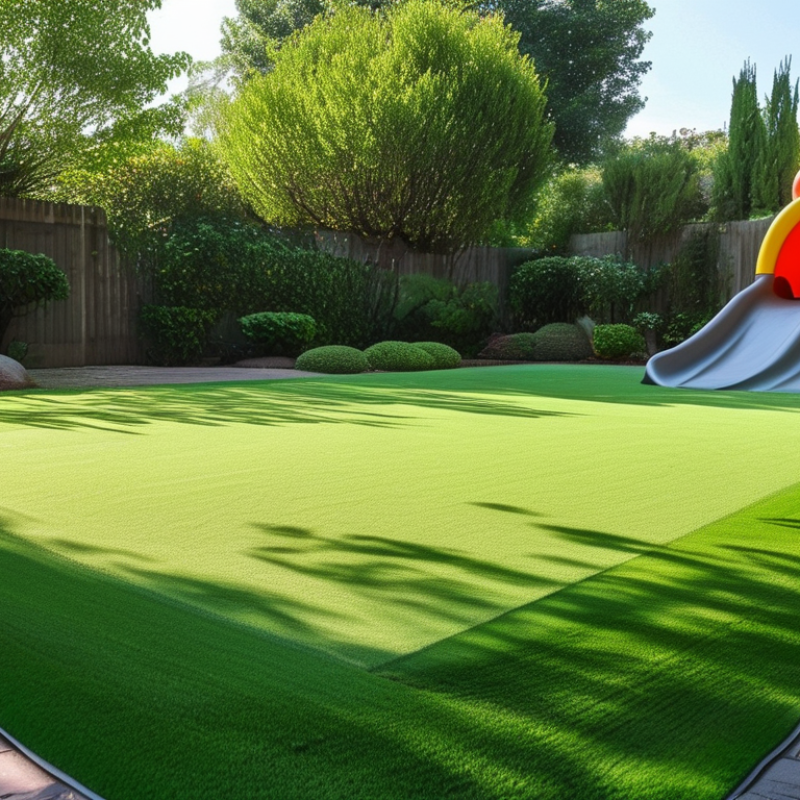
In recent years, artificial grass play mats have gained popularity among parents seeking safe, durable, and enjoyable surfaces for their children. Dr. Emily Johnson, a noted expert in child development and outdoor play, states, "Artificial Grass Play Mats create a vibrant play space that supports physical activity and creativity."
These mats imitate natural grass while providing a softer landing for falls. They require little maintenance, freeing up valuable time for parents. The environmental aspect is also significant. Unlike traditional grass, these mats are often made from recycled materials.
Concerns do arise, however. Some parents worry about the heat retention of artificial surfaces during summer days. It's essential to weigh the benefits against these potential drawbacks. Overall, an artificial grass play mat can transform a simple backyard into a child's playground, fostering exploration and joy.
Benefits of Artificial Grass Play Mats: Safety Features for Kids
Artificial grass play mats offer numerous safety features that make them ideal for kids. One of the primary benefits is their soft surface. Unlike traditional hard surfaces, artificial grass cushions falls, reducing the likelihood of injuries. This is particularly vital for young children who are still developing coordination and balance. Parents can feel more at ease, knowing their little ones can explore freely.
In addition to safety, these mats are designed to be durable and weather-resistant. They do not fade in sunlight or become muddy when wet. This means children can play outside regardless of the weather. A clean environment also reduces the risks of allergens and pests commonly found in natural grass.
Tip: Regularly check the surface for wear or damage. It's essential to maintain a safe play area. Cleaning the mat can also help prevent bacteria buildup.
Another point to consider is the versatility of artificial grass mats. They can be set up in various locations, from backyards to playgrounds. Easy installation makes it simple to create a safe zone wherever needed.
Tip: Engage children in outdoor activities to promote exercise and creativity. Encouraging imaginative play is crucial for their development.
Environmental Impact: Sustainability of Artificial Grass Materials
Artificial grass play mats for kids present notable environmental benefits. Made from recycled materials, these mats can help reduce waste. According to a report by the Synthetic Turf Council, around 30 million tons of turf material can be recycled. This significantly cuts down landfill contributions. Using artificial grass also conserves water. Traditional lawns require regular watering, while artificial surfaces need none. Estimates show that households can save over 50 gallons of water per square foot each year.
Despite these advantages, concerns about the production of artificial grass remain. The process can involve chemicals that are harmful if improperly managed. It's essential to choose products with low VOC emissions. This choice mitigates potential environmental issues, ensuring a safer play area for children. Some users have noted the need for better transparency in sourcing materials. It’s paramount to inquire about the origins and sustainability of the products.
Tips: Choose certifications that highlight eco-friendly manufacturing. Look for mats with a minimum of 80% recycled content. Regular maintenance can extend the life of these surfaces, promoting sustainability. Regularly cleaning helps to avoid wear and improve longevity.
Durability and Maintenance: Long-Lasting Solutions for Play Areas
When it comes to play areas for kids, durability is key.
Artificial grass play mats provide a robust solution against wear and tear. According to a study by the Synthetic Turf Council, artificial turf systems can last between 8 to 15 years, making them a long-lasting investment. These mats resist fading and damage from UV rays, ensuring that they maintain their vibrant appearance over time.
Maintenance is another significant advantage. Unlike traditional grass, which requires regular mowing and watering, artificial grass needs minimal upkeep.
A report from the American Society for Testing and Materials indicates that synthetic grass can reduce maintenance costs by up to 70%. Cleaning is straightforward, often requiring just a hose and occasional brushing to keep the fibers upright.
However, it’s essential to note that despite these benefits, artificial grass can retain heat more than natural grass. This could raise concerns about safety during hot weather. Monitoring temperatures and providing shaded areas for kids can help. Keeping kids safe should always be a priority, balancing the benefits with possible drawbacks is crucial.
Health Benefits: Reducing Allergens and Irritation for Children
Artificial grass play mats offer significant health benefits, particularly in reducing allergens and irritation for children. Traditional grass can harbor pollen, mold, and dust mites, leading to allergic reactions or respiratory issues. According to the American Academy of Allergy, Asthma, and Immunology, nearly 50 million Americans suffer from allergies. For children, exposure to these allergens may result in discomfort and hinder outdoor play, which is vital for their development. With artificial grass, moms and dads can create a safe space that minimizes these risks.
Researchers have noted that synthetic turf surfaces can significantly lower the levels of allergens. A study published in the Journal of Allergy and Clinical Immunology revealed a 75% decrease in allergenic mold spores when synthetic surfaces were installed compared to natural turf. Additionally, artificial grass mats are often made of non-toxic materials, which further reduces the risk of skin irritation. This is crucial since children have more sensitive skin than adults. However, it's essential to maintain these mats properly to avoid other irritants like dirt buildup or bacteria, which can occur over time. Regular cleaning can enhance their safety and effectiveness in providing a healthier play environment for kids.
Top 10 Benefits of Artificial Grass Play Mats for Kids
Cost-Effectiveness: Long-Term Financial Advantages of Play Mats
Artificial grass play mats offer significant cost-effectiveness for families. Initial costs may seem high, but long-term savings can be substantial. Unlike natural grass, these mats require no mowing, watering, or fertilizing. This reduces maintenance expenses dramatically over time. Parents will spend less on upkeep, which can add up quickly.
In addition to lower maintenance costs, artificial mats last for years. They resist wear and tear, which is common with traditional playground surfaces. This durability translates into a longer lifespan and fewer replacements. Families may worry about the upfront investment, but the longevity makes it worthwhile.
Play mats can also enhance safety, reducing injuries from falls. This means fewer medical bills associated with playground accidents. Overall, the shift to artificial grass can lead to thoughtful financial planning. Parents can enjoy peace of mind while their kids play safely. Investing in quality play mats could be a choice worth considering, despite initial hesitations.
Top 10 Benefits of Artificial Grass Play Mats for Kids - Cost-Effectiveness: Long-Term Financial Advantages of Play Mats
| Benefit |
Description |
Estimated Savings Over 5 Years |
| Low Maintenance |
Requires minimal upkeep compared to natural grass, saving on maintenance costs. |
$500 |
| Durability |
Designed to withstand heavy wear, reducing replacement needs. |
$700 |
| Water Conservation |
No need for watering, leading to substantial savings on water bills. |
$300 |
| Safe Play Surface |
Soft and cushioned, reducing injury during play. |
$0 (Injury cost avoidance) |
| Environmental Benefits |
Reduces chemical use and promotes eco-friendly play areas. |
$200 |
| Year-Round Use |
Not affected by weather conditions, ensuring continuous play. |
$400 |
| Pest Free |
No need for pesticides or herbicides, promoting safety. |
$100 |
| Enhanced Aesthetics |
Maintains a lush appearance throughout the year. |
$150 |
| Cost-Efficiency |
Initial investment offsets future costs, leading to savings. |
$800 |
| All-Weather Usability |
Can be used in any season, maximizing playtime. |
$250 |
FAQS
: Artificial grass play mats have a soft surface that cushions falls, reducing injury risks.
They are durable and weather-resistant, not fading or becoming muddy, allowing year-round play.
Regularly check for wear or damage. Cleaning helps prevent bacteria buildup and ensures safety.
Yes, they can be easily set up in backyards, playgrounds, or any desired area.
Yes, they reduce expenses on mowing, watering, and fertilizing, leading to substantial savings.
Initial costs can seem high, but their longevity often justifies the expense over time.
Yes, they provide a safe environment that encourages outdoor activities and imaginative play.
Parents might worry about upfront costs, but the durability and safety benefits can ease their concerns.
They minimize allergens and pests typically found in natural grass, ensuring a healthier environment.
Engage children in the setup process. It can foster excitement about their new play area.
Conclusion
Artificial Grass Play Mats offer numerous benefits for children's play areas, making them an excellent choice for parents. One of the key advantages is their safety features, as these mats provide a soft and cushioned surface that minimizes the risk of injuries during play. Additionally, artificial grass materials are environmentally sustainable, contributing to a greener planet while ensuring long-lasting durability with minimal maintenance required.
Beyond safety and environmental concerns, these mats also support children's health by reducing allergens and irritants typically found in natural grass. Lastly, they prove to be a cost-effective solution, as the initial investment can lead to significant long-term savings through reduced maintenance and replacement costs. Overall, the advantages of Artificial Grass Play Mats make them a wise and beneficial choice for children's recreation spaces.

 Yameiju